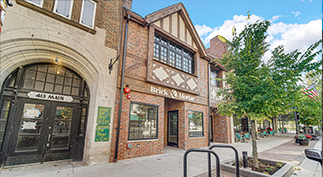

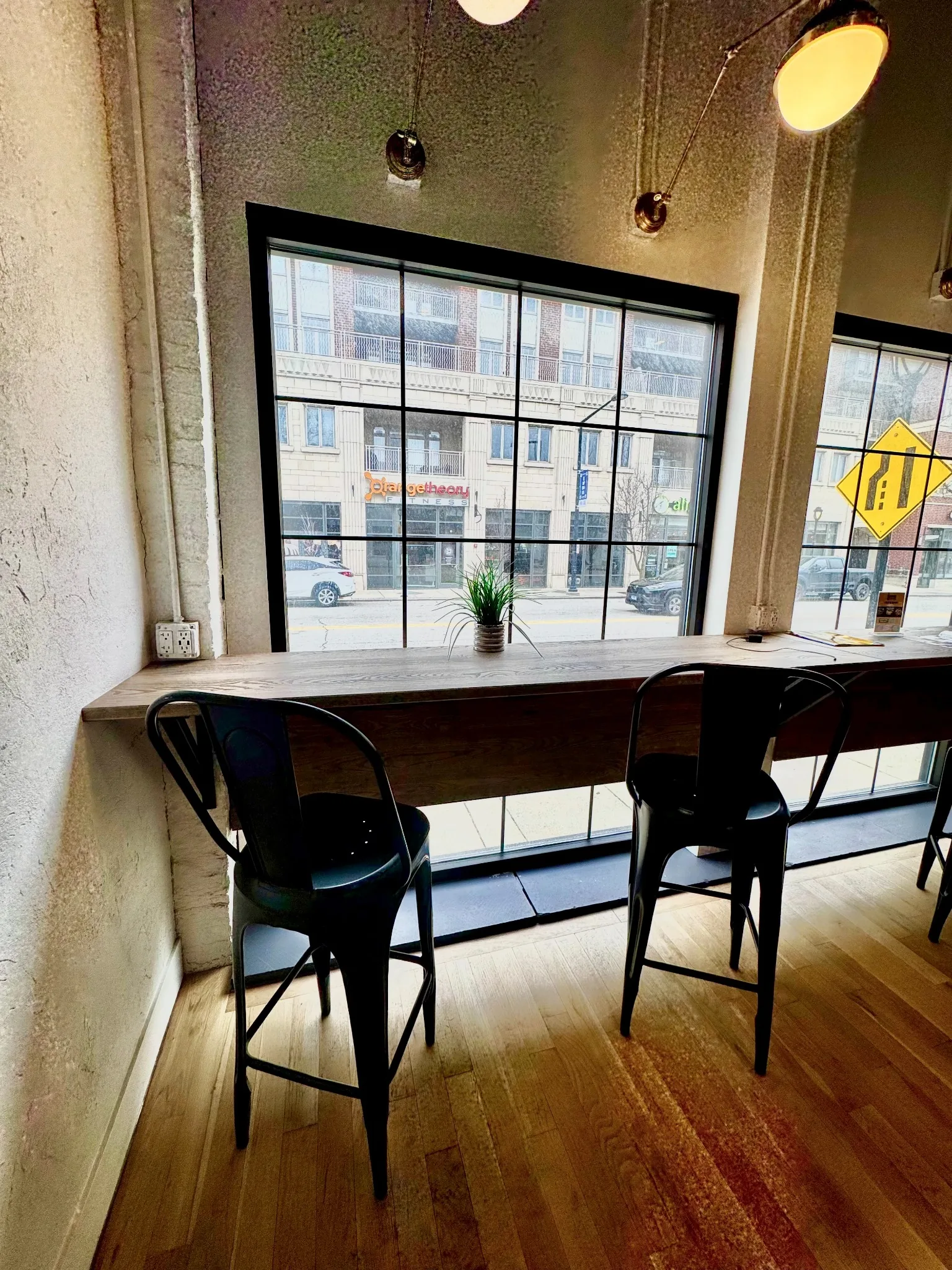
Working close to home can offer a useful middle ground. You keep the neighborhood routines filled with meaningful connection and convenience while giving work somewhere separate to happen. The benefit is not simply a shorter trip. It is the ability to arrange the day around fewer disconnected journeys, especially when appointments, family responsibilities, and business needs all compete for time.
The home court advantage comes from familiarity. You know the route, the nearby services, and what fits around the workday. However, proximity helps most when you use it deliberately.
Think About The Day Beyond The Desk
Choosing a work location often starts with the desk itself. Consider the hours around it as well.
Where do you need to be before work? What happens after your last call? Which ordinary commitments become difficult when the workspace is far away?
For a parent, the answer may include school pickup. A business owner may need a nearby client visit or a stop for supplies. Somebody managing an appointment may value returning to work without losing most of the afternoon.
Draw a realistic picture of one ordinary day. Use actual travel times rather than the best-case estimate. Because the goal is a workable routine, a location that looks ideal on a map still needs some practical testing.
Let Working Close To Home Simplify Errands
A nearby workday can make a necessary errand easier to combine with an existing trip. However, it can also tempt you to interrupt work whenever something comes to mind.
Choose the errand in advance and place it before or after a defined block. For example, make a stop on the way home rather than leaving halfway through a proposal.
Our insight on local errands and deep work explores that connection. The useful result is fewer separate trips, while the work still receives enough uninterrupted attention.
If an errand ends up taking more time than expected, adjust the plan for the rest of your day honestly. Convenience doesn’t remove the focused hours needed for what’s on your plate. Treating every nearby obligation as a quick stop can produce a fragmented day again.
Use The Neighborhood For A Genuine Break
When your workspace is near familiar streets, leaving the desk can feel simpler. A short walk or lunch nearby may provide a change of pace without extensive planning.
Experiments on walking and creative thinking found benefits for certain idea-generation tasks. The research does not make every walk a work strategy, but it supports considering movement during a thinking day.
Choose a route that suits conditions and your mobility. In late October, weather and daylight can affect what is practical. A break indoors remains a valid option when going outside does not fit.
Most of all, let the break be a break. You do not need to turn a walk into a phone meeting or prove that lunch improved performance. Returning to your desk after taking short but meaningful distance from your screen can make all the difference.
Keep A Useful Boundary Between Work And Home
Working close to home does not mean making home available throughout the day. If you repeatedly return for small tasks, the boundary may remain difficult to maintain.
Decide which responsibilities belong inside the work block and which can wait. Discuss the arrangement with others in your household, particularly if they are used to you being physically present.
Our guide to separating work from home examines why a physical transition can matter. A short journey may still give you a clear beginning and ending.
For example, returning home after finishing work feels different from closing a laptop beside the same unfinished paperwork. The distance does not need to be large to make the change observable.
Include The People You Do Business With
A neighborhood location should also work well for the people you do business with. Consider where clients, colleagues, and collaborators are coming from and what will make the experience convenient for everyone involved.
A familiar place for you may still require a little context for a visitor. Share clear directions, parking options, accessibility details, and the time you expect the meeting to wrap up.
If your team is spread across several neighborhoods, consider rotating locations or choosing a spot based on who is participating. Convenience doesn’t always have to favor the same person.
Local relationships can develop naturally as you spend more time using nearby services. Grab lunch, meet another professional, or attend a relevant event because it fits your needs. There’s no need to turn every ordinary interaction into a networking assignment.
Keep Proximity From Creating Permanent Availability
Working close to home can make it easier to handle a household need quickly. However, repeated returns during the day may erase the concentration you chose the workspace to protect.
Agree on what warrants changing the plan and what can wait. The arrangement should remain responsive to genuine needs without treating every small task as an immediate interruption.
For example, being nearby may help you attend a planned appointment. It does not necessarily mean you are available for errands throughout a protected work block.
The same applies after hours. A short trip back to the office should not make every forgotten task an evening obligation. Record the task for tomorrow unless there is a real reason it cannot wait.
Proximity works best when it supports a clear day, including the parts when you are working and the parts when you are home.
Working close to home may also make an occasional collaboration easier to arrange. Confirm the purpose and timing before inviting someone to join you. A convenient location still needs a clear reason for shared time. If the discussion only requires a short exchange, choose the simplest format that serves it. Proximity should remove logistics rather than create an expectation that everyone is always available nearby.
Test The Advantage Before Making It Permanent
Try a new workspace near home on a day that contains a clear task, assignment, or project. Compare the journey, the conditions for work, and the hours afterward.
Ask whether the arrangement solved an actual difficulty:
- Did you complete the work without household interruptions?
- Could you keep the appointment that normally required a complicated trip?
- Did the day end when you intended?
Also compare cost and access. Working close to home is most useful when the full arrangement is sustainable, not merely convenient on one exceptional day.
You may find that one or two nearby workdays suit your week. Perhaps only particular tasks need another setting. Keep the pattern that reflects the evidence from your own day.
Brick & Mortar gives professionals neighborhood options across Park Ridge, Deerfield, Glen Ellyn, Libertyville, and Arlington Heights. Try a Day Pass, explore a Private Office, or choose a local meeting space. Let your neighborhood support the day you actually have in front of you.