

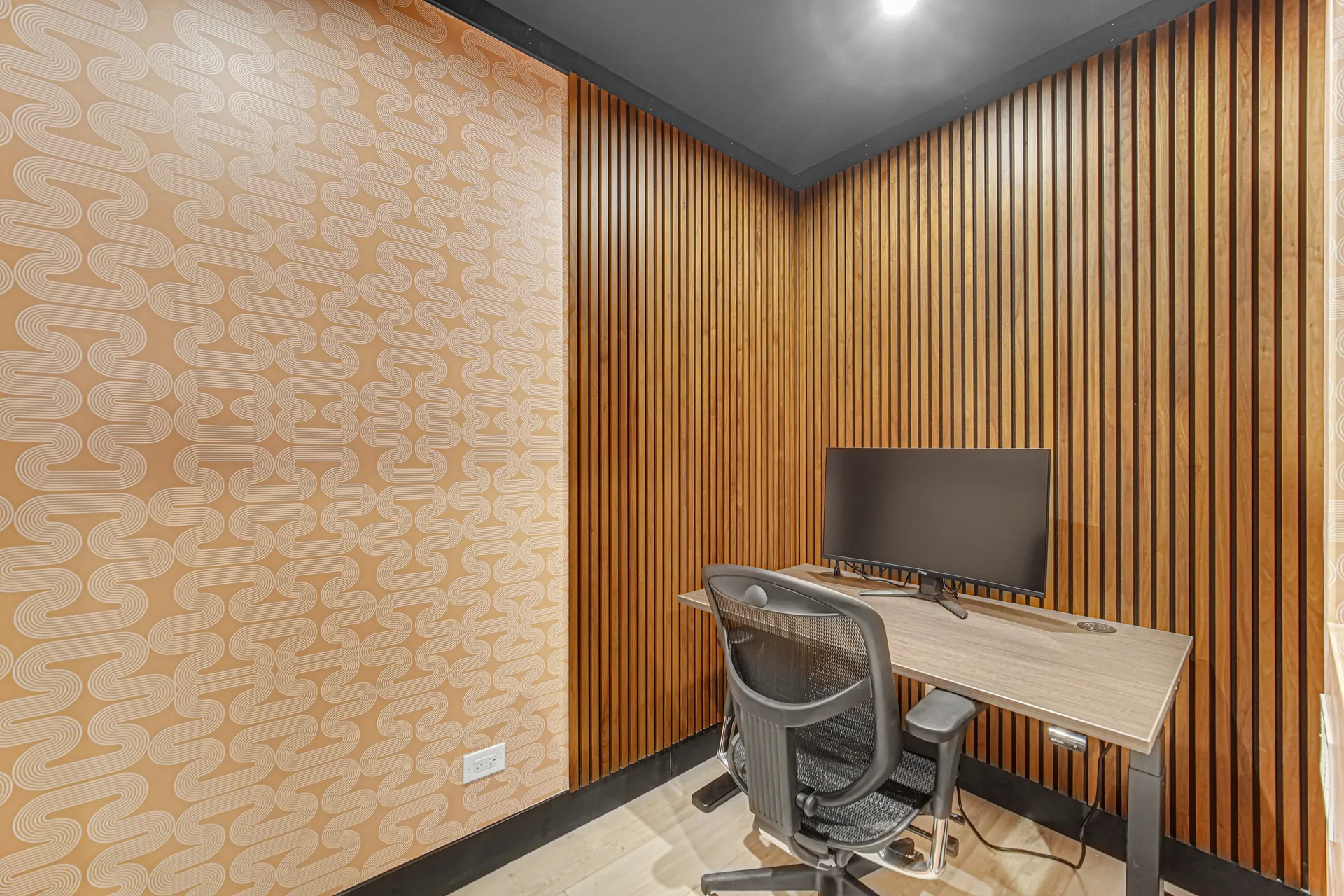
Deep work time can disappear even on a day with very few meetings. Email arrives, a colleague needs an answer, and a quick household question leads to another task. By afternoon, you have responded to plenty of people but barely touched the work that needs your full attention. Executive quiet hours offer a practical way to reserve that attention, whether you lead a company or manage your own workload.
The idea is simple: choose a defined period for demanding work, then make the conditions clear enough that others can respect it.
Start With Work That Deserves Quiet
Quiet hours need a purpose. Otherwise, they can become an aspirational calendar label that disappears as soon as something else happens.
Think of the part of your work that requires sustained focus, creative thinking, or strategic problem-solving. Examples include developing a business proposal, brainstorming new ideas, building a forecast, creating a presentation, or mapping out a project strategy. Routine scheduling or straightforward administrative tasks may not require the same level of focus, but these objectives require dedicated time and space to think critically.
Describe the result you want before the block starts. Complete the first draft of the recommendations is easier to work toward than make progress. Because the result is visible, you can decide afterward whether the block helped.
Avoid packing multiple difficult projects into one session. Switching between them may recreate the fragmented day you were trying to change. Begin with one piece of work and the information necessary to finish it.
Make Deep Work Time Understandable To Other People
A calendar marked busy does not tell colleagues when you will return or how urgent requests should reach you. Give them that information.
For example, explain that you review messages after the block and identify a separate route for a genuine emergency. The arrangement should fit your role and service commitments. Someone handling live customer issues may need shorter windows or shared coverage.
Research on habit cues and repeated actions shows that practiced responses can become associated with recurring contexts. A consistent start cue is therefore a reasonable experiment, although the research does not establish an ideal work schedule.
Your cue could be arriving at a particular desk, closing unnecessary tabs, or opening the same planning note. Keep it small enough to repeat. The purpose is to make starting easier, rather than create a complicated ritual.
Prepare Before The Quiet Hour Begins
A protected hour can vanish while you search for a file or ask somebody for updated information. Therefore, preparation belongs outside the block whenever possible.
Gather the documents, clarify the decision, and check access to the tools you need. If a missing approval will prevent progress, address it ahead of time.
Our guide to taking control of your workday explains why a clear starting point matters. Quiet time works best when you already know what you will do with it.
Also be intentional about what has your attention during this time. When deeper thought is required, try to avoid unnecessarily breaking your concentration to check notifications, respond to unrelated messages, or jump between tasks. Not every interruption can be avoided, but creating a little more room to focus can make a meaningful difference.
Choose A Setting That Supports The Task
Quiet hours are difficult to maintain when your surroundings require everybody else to stop living normally. Home may be shared with family, visitors, or another remote worker.
Discuss what is realistic rather than treating ordinary household activity as a failure. A quiet period may work on some days and be unavailable on others. Meanwhile, confidential calls can require more privacy than a shared room provides.
When your working conditions do not fit the tasks at hand, switch up your environment for that block. You do not need to make a permanent workspace decision to test a better arrangement.
Our insight on why where you work changes how you work explores that relationship. Deep work time depends partly on the physical conditions around the task, not simply your willingness to concentrate.
Protect Concentration Without Abandoning Availability
Some professionals avoid quiet hours because they worry about becoming difficult to reach. A defined window can help resolve that concern.
Instead of disappearing unpredictably, tell people when you are focusing and when they can expect a reply. For teams, rotate coverage if the work requires continuous availability. This makes the arrangement useful to more than one person.
Managers should also model the expectation they announce. If you interrupt somebody’s quiet block for a routine question, the policy loses meaning. Save the question for the agreed response window unless it truly cannot wait.
For clients, maintain the response commitments you have made. A focus block should help you deliver better work without creating uncertainty about support.
Choose The Window You Can Protect Honestly
Deep work time does not need to occupy a whole morning to be useful. If your responsibilities allow only forty-five dependable minutes, begin there rather than reserving two hours that repeatedly disappear.
The protected window should have an achievable result. Draft one section, review one decision, or solve one defined problem. A smaller completed block provides information you can use to plan the next one.
Meanwhile, examine why longer blocks fail. If coverage is missing, improve coverage. If the task is unclear, clarify it. Extending the calendar reservation alone may not address either difficulty.
Keep The Experiment Honest
After a week, review what you finished during the protected blocks. Also note which interruptions remained and whether the timing suited your energy and responsibilities.
If the arrangement failed, identify why. A missing document needs a preparation change. Repeated urgent requests may indicate inadequate coverage. Noise may require a different location.
Don’t mistake a lack of productivity for a lack of discipline when your workspace wasn’t set up to support you in the first place. Instead, adjust one part and test again. Deep work time becomes practical when the schedule, task, and environment fit together.
At Brick & Mortar, we provide another place for those focused blocks when home cannot offer the conditions you need. An occasional Day Pass or Hourly Private Office can be a useful starting point.
Explore a focus day, consider a private work block, or choose a room for concentrated collaboration. Give important work a defined place on the calendar and somewhere suitable to happen.