
Flexible work boundaries make it possible to move work without letting it occupy every available hour. During the holidays, that distinction becomes especially useful. You may shift a task around travel, a family meal, or a changed school schedule. However, a day that is flexible on paper can still feel crowded if work remains available throughout it. Decide when work belongs in the day and when it should wait.
Today may be a holiday for you, a working day, or a mixture of responsibilities. Begin with the arrangement you actually have.
Describe The Day Honestly
On days you are working, take a moment to identify the commitments that genuinely need your attention. If you’re off, clarify whether you still have any coverage responsibilities to account for.
Try not to call the whole day “flexible” when several hours are already spoken for. A realistic picture of your time makes it much easier to figure out what actually fits — without creating unnecessary stress or relying on impossible overlaps.
For example, if you have a client call during a travel day, you’ll want to account for more than just the call itself: you need a suitable place to take it, enough time to get there, and enough breathing room around it for you to truly be present.
The goal isn’t to fill every open minute. It’s to know what’s truly committed, what has some flexibility, and where you have room to move — so the plan actually works for you.
Likewise, a family commitment deserves a defined place in the schedule. Treating it as whatever remains after work can make flexibility feel one-sided.
Move Work Deliberately
When you shift a work block, decide what moves with it. Include preparation, follow-up, and the people who need to know your availability.
If you work earlier, identify when you will finish. If you work later, protect another period for rest or personal responsibilities.
Research on recovery experiences after work includes detachment and control. It provides a reason to consider how much choice and recovery your arrangement actually creates.
Our guide to separating work from home examines the physical part of that choice. Flexibility can involve a different time, a different location, or both.
The ultimate goal is creating a clear arrangement rather than living in a state of continuous partial attention — trying to keep one eye on work while navigating everything else around you. Set expectations that allow you to be fully present for each.
Make Flexible Work Boundaries Understandable
People can coordinate with you more easily when they know when you will respond. Share a practical availability window instead of a vague statement that you are around.
For business owners, identify who handles urgent issues outside that window. If nobody else can cover them, define what qualifies as urgent and how it should reach you.
For employees, work within the team’s agreed expectations. If holiday circumstances require a change, discuss it ahead of time where possible.
Managers should be mindful of the expectations their messages can create, even when they don’t intend to. A routine question sent while someone is on leave can still feel urgent or imply a need to respond. When possible, schedule the message for their return or make the urgency and expected support timeline clear.
Protect Attention During The Work Period
A flexible schedule still needs work conditions. Trying to complete a demanding task while also participating in social time with family and friends will likely leave both experiences unsatisfying.
Choose a defined block and explain it to the people sharing the day. Prepare what you need so the block does not grow through avoidable delays.
Our insight on workday habits and breaks considers deliberate pacing. A holiday work block benefits from the same principle: give the task enough attention, then leave it.
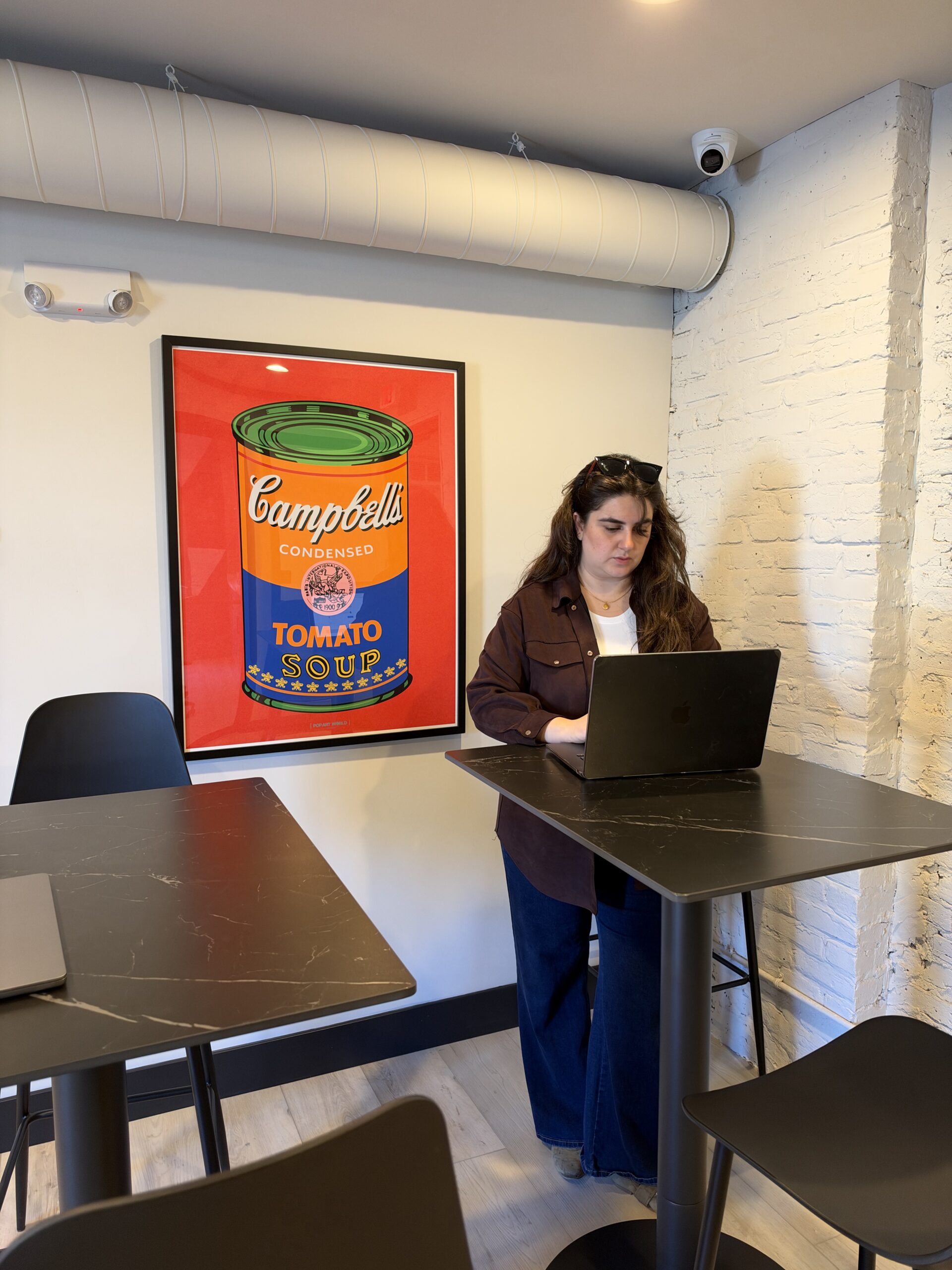
If home cannot support the block, consider another setting. Confirm access, transportation, and booking details before relying on it, particularly during unusual hours.
Let The Personal Period Remain Personal
After your planned work is complete, shut down your computer and move your work supplies out of immediate view. Give yourself a clear signal that the workday is done, and protect that boundary by keeping routine alerts from reopening your laptop — and your work brain with it.
If you remember something, capture a short note for the next work period. You do not have to act on it now simply because the thought appeared.
Exceptions may happen. When they do, return to the agreed boundary afterward rather than allowing one interruption to redefine the whole day.
Also notice if the same exception that interrupts your personal time happens repeatedly. A recurring time-sensitive request may be a helpful signal that a broader communication or coverage process could make things easier for everyone. Ideally, it becomes something you can plan for rather than a surprise every holiday.
Notice The Difference Between Choosing And Compensating
Flexible work boundaries can make a changed schedule useful. However, working later because the earlier block never had suitable conditions is a different situation from choosing later hours deliberately.
Ask why the work moved. Did a one-off appointment require an adjustment, or did repeated interruptions make your larger original plan unworkable?
For example, an owner may intentionally use an early morning block before a personal commitment. Another professional may work every evening because calls consume the entire day. The first arrangement may reflect choice; the second may need a workload or scheduling conversation.
Naming the difference can prevent flexibility from becoming a flattering description for constant catch-up. You can preserve the useful autonomy while addressing the recurring cause.
Review whether the arrangement gives you time back elsewhere. If it only extends the working day, revise the plan before it becomes the expected pattern for the rest of the season.
Flexible work boundaries should remain clear even when the schedule changes twice. Update the affected people and identify the new work block, response window, or coverage owner. You do not need to provide every personal detail. The relevant information is what others can expect and how necessary work will continue. That clarity can preserve flexibility without making colleagues guess when the arrangement applies.
Review Whether Flexibility Is Helping
After Thanksgiving week, look at what your holiday arrangement made possible. Did it help you keep your personal commitments? Was your required work completed with adequate attention? Could others — both colleagues and family — understand when you were available?
If the answer is mixed, adjust the part that caused friction. Perhaps the work block needed more preparation or the response window was too vague.
Flexible work boundaries become useful when they reflect your actual responsibilities and remain clear enough to maintain. This intention should create room in your day to enjoy life outside of work, rather than leaving every hour potentially available if you’re needed — giving you actual time to unplug, recharge, and enjoy the seasonal festivities.
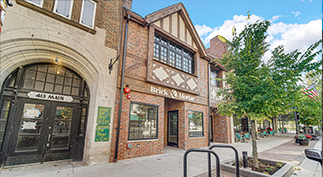
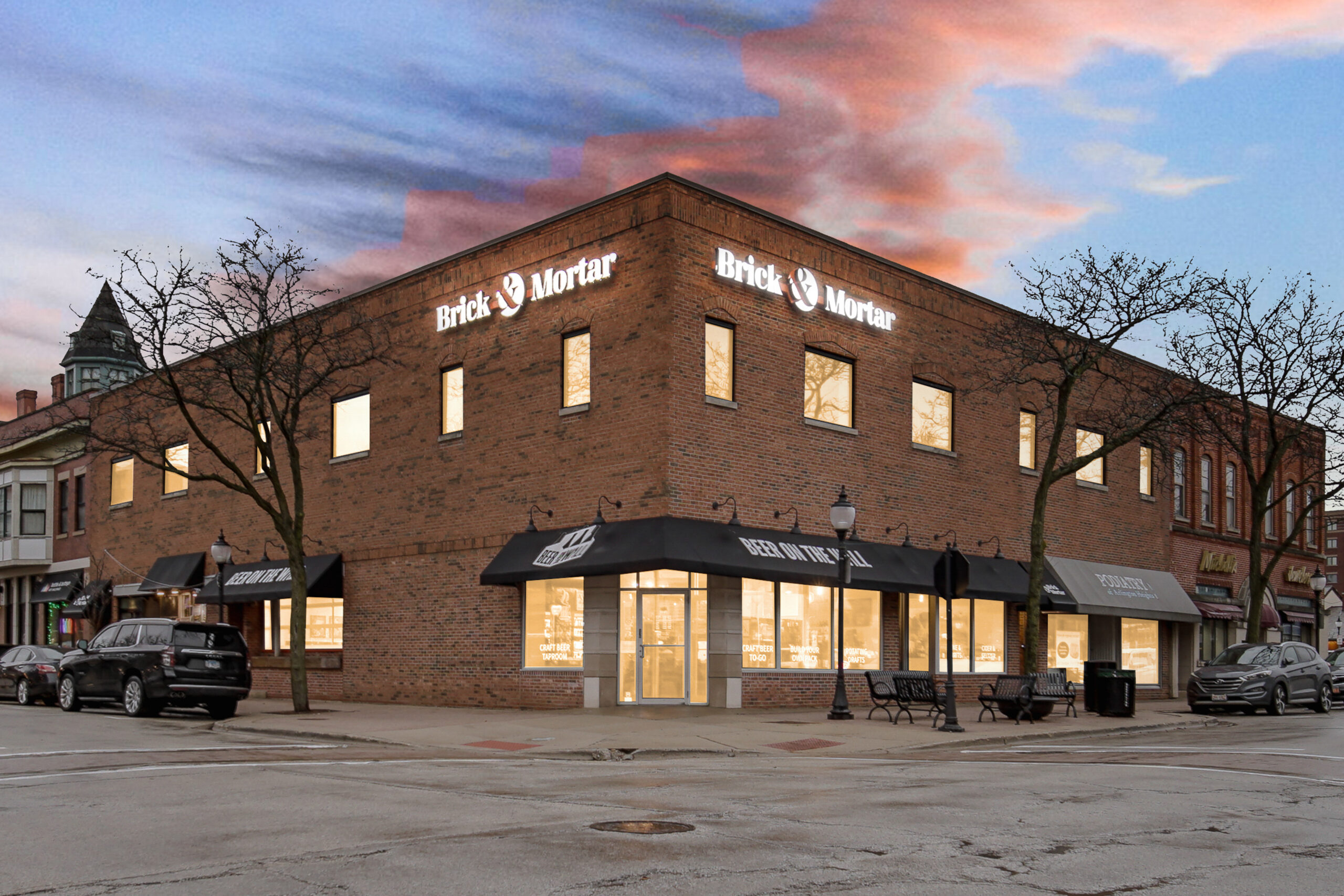
Brick & Mortar offers another work setting when you need a defined place for a flexible block. Explore a Day Pass, consider a private work period, or plan a necessary meeting. Choose your work periods deliberately so you can allow the rest of your day to have its own purpose — especially during the holiday season.