

The modern professional operates in a state of perpetual interruption. Whether it is the digital “ping” of a notification or the physical distraction of an unsuitable environment, the cost of fragmented attention is devastating to high-quality output. Research suggests that once interrupted, it can take more than 20 minutes to fully return to the original task. Developing a ritual that instantly improves focus is no longer a “productivity hack”—it is an essential skill for anyone looking to excel in a competitive economy.
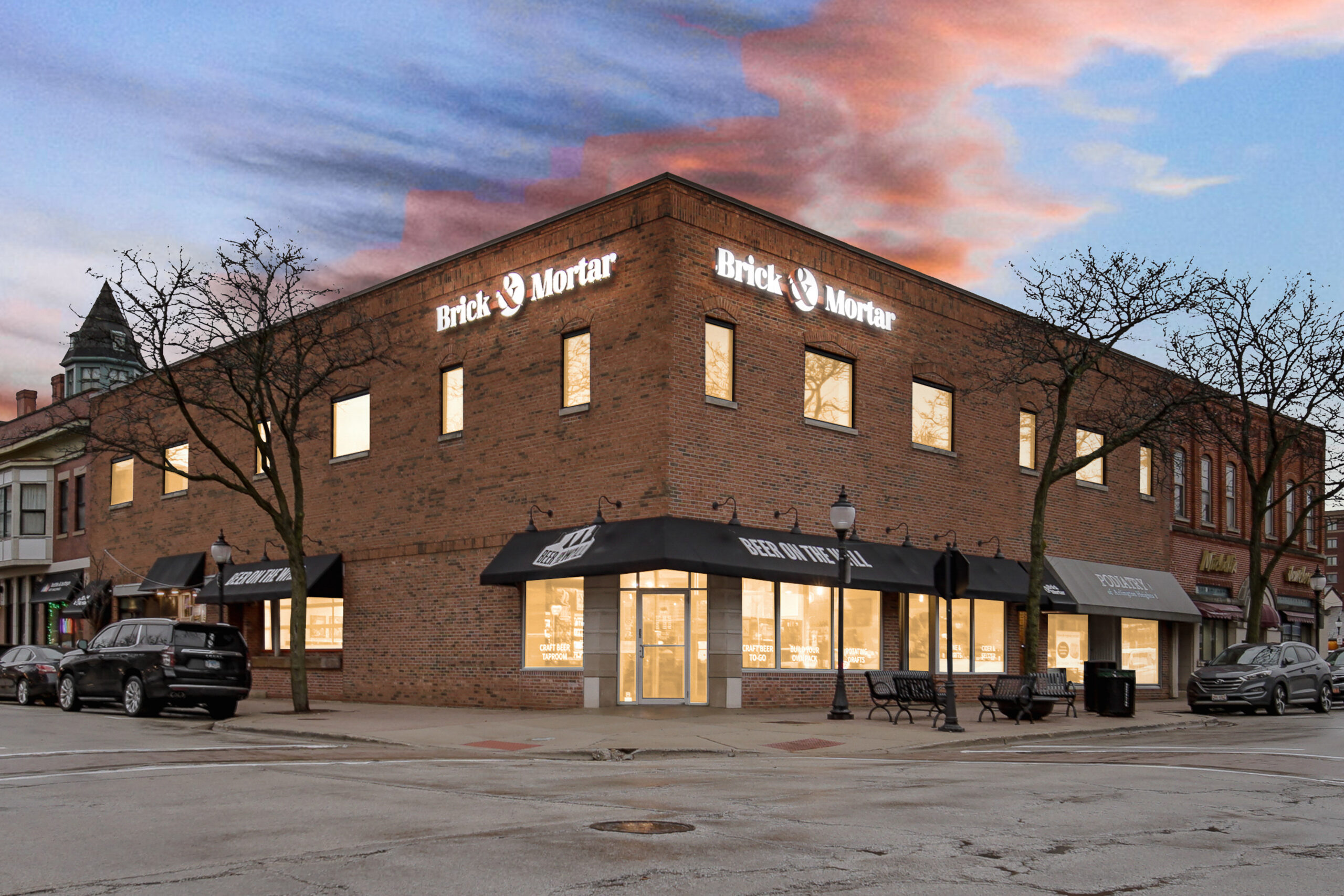
At Brick & Mortar, we design environments where this level of deep concentration isn’t just possible; it is the standard.
The Cognitive Crisis: Why We Lose Our Edge
To solve the problem of distraction, we must first understand what happens when our attention is constantly divided. Our brains are not designed for the continuous switching demanded by modern digital workflows. When you move between an email, a text message, and a complex spreadsheet, you are not truly multitasking; you are engaging in context switching.
Each switch can leave behind what researchers call “attention residue.” A portion of your cognitive resources remains focused on the previous task, reducing the processing power available for the work in front of you.
Over time, that creates mental fatigue and makes it harder to solve complex problems, think creatively, and sustain meaningful concentration. To combat it, you need a deliberate interruption to the interruption—a reset that clears the mental slate before you return to the work.
Step 1: The Physiological Sigh — The 60-Second Reset
One way to quickly interrupt a stressed or distracted state is through controlled breathing. Research from Stanford Medicine examining breathwork found that structured breathing exercises, particularly those emphasizing prolonged exhalation, can positively affect mood and physiological arousal.
One technique commonly referred to as the physiological sigh uses a double inhale followed by a slow, extended exhale.
How to Execute the Reset
- Double Inhale: Take a deep breath in through your nose, and then at the very top, take a second, shorter “sip” of air.
- Long Exhale: Breathe out slowly through your mouth until your lungs are empty.
- Repeat: Complete the cycle two or three times before returning to your task.
The goal is simple: interrupt the stressed, scattered state and create a calmer starting point for focused work.
High-level focus is difficult when your mind is still operating in reaction mode. A deliberate breathing reset gives you a brief transition between distraction and the task that actually deserves your attention.
Step 2: Narrow Your Visual Attention
Where you look matters.
A visually busy environment constantly gives your brain new information to process. A cluttered room, activity outside a window, people moving through a coffee shop, household tasks sitting in your peripheral vision—each one competes for a small piece of your attention.
To improve focus, narrow your visual field after completing the breathing reset.
Spend roughly 30 seconds directing your attention toward a single point: a line of text on your screen, an object on your desk, or another fixed visual target. The purpose is not to stare intensely. It is to stop scanning your surroundings and deliberately redirect your attention toward one thing.
You can also incorporate the 20-20-20 Rule throughout your workday: every 20 minutes, look at something approximately 20 feet away for 20 seconds. This commonly recommended practice can help reduce the eye strain associated with prolonged screen use.
Together, these steps create a simple two-minute transition:
Reset your breathing. Narrow your attention. Return to one task.
Why Your Environment Overrides Your Willpower
You can perform every breathing exercise and productivity technique available, but if your environment continuously introduces distractions, you are still asking willpower to do too much of the work.
Your brain learns to associate environments with behaviors. When the same space is used for working, eating, relaxing, household management, and everything in between, the boundaries around your workday become less distinct.
That is why the environment itself matters.
A dedicated office at Brick & Mortar creates an environmental cue: when you arrive, you are there to work.
Instead of repeatedly negotiating with the distractions around you, you enter a space intentionally designed around professional output.
The Psychology of Professional Boundaries
Research on work-home boundaries and psychological detachment consistently points to the importance of separating professional demands from personal recovery time. When those boundaries become blurred, work can continue occupying mental space even after the workday is technically over.
A physical workspace creates a clear transition.
Leave home. Enter work mode. Complete the work. Leave the workspace.
That separation can be especially valuable for professionals whose homes have become offices by default.
Brick & Mortar provides professional infrastructure that reduces many of the distractions commonly associated with working from home or trying to work from a public space:
- Fewer Competing Distractions: No dogs asking for a walk, laundry waiting to be folded, household projects sitting in your line of sight, or espresso machines firing up three feet from your laptop.
- Professional Ergonomics: Workspaces intended for sustained professional use rather than improvised setups.
- Intentional Design: Clean, professional surroundings that reduce unnecessary visual clutter and help reinforce the purpose of the space.
- Workspace Choice: Access to Private Offices, shared work areas, and Meeting Rooms depending on what the workday requires.
The objective is not absolute silence. It is removing the kinds of unnecessary friction that repeatedly pull you away from the work you came to accomplish.
Implementing the 90-Minute Focus Sprint
Once you have reset your attention and entered an environment that supports focused work, the next step is protecting a meaningful block of time.
A 90-minute focus sprint provides enough time to make substantial progress on demanding work without treating the entire eight-hour day as one continuous test of concentration.
Rules for the Focus Sprint
- Zero-Notification Policy: Put your phone out of sight and silence unnecessary desktop notifications.
- Single-Tasking: Choose one major objective. If it cannot be completed within the block, define exactly what meaningful progress will look like.
- Protect the Block: Avoid checking email, Slack, social media, or unrelated tabs unless they are required for the task.
- Work With Your Energy: Use the flexibility of Brick & Mortar to work during the hours when your concentration is naturally strongest.
Rather than trying to “power through” an entire day of fragmented work, create distinct periods where concentration has a clear purpose.
The Cost of the “Commute-to-Kitchen” Lifestyle
Working from home removed the traditional commute for millions of professionals, but eliminating travel does not automatically eliminate wasted time.
When the workday becomes fragmented by household interruptions, blurred boundaries, and an environment that was never designed for sustained professional output, a shorter commute can still produce a longer workday.
You may technically begin working earlier and finish later while accomplishing less in between.
That is the hidden cost of drifting.
A professional workspace close to home offers another option. You can avoid the long commute without giving up the environmental separation that helps create a defined workday.
At Brick & Mortar, the goal is not simply to give you somewhere else to sit. It is to remove enough friction from the workday that you can focus, finish what matters, and leave work behind when the day is over.
If you’re evaluating whether a different environment could improve the way you work, explore the benefits of a shared workspace.
Final Thoughts: Focus Is a Competitive Advantage
In 2026, the ability to concentrate without constant interruption has become increasingly valuable. As routine tasks become easier to automate, professionals create value through the work that still requires judgment, strategy, creativity, relationships, and complex problem-solving.
None of those improve when your attention is constantly fractured.
The two-minute reset is a tactical tool you can use when your concentration starts slipping. Your environment is the strategic foundation that determines how often you need to fight for that concentration in the first place.
Brick & Mortar is designed for the person who is done compromising their productivity with the distractions of the home office and is ready to reclaim their professional edge.
Stop fighting your surroundings. Reset your attention, choose a workspace built for output, and take back control of your workday.
Ready to change the environment that’s working against you? Schedule a tour at Brick & Mortar and find a workspace built for focused work.
Sources Cited
- Mark, G., Gudith, D., & Klocke, U. — The Cost of Interrupted Work: More Speed and Stress
- Balban, M. Y., et al. — Brief Structured Respiration Practices Enhance Mood and Reduce Physiological Arousal
- Newport, C. — Deep Work: Rules for Focused Success in a Distracted World
- Research on work-home boundaries, psychological detachment, and workplace recovery