
The 2026 FIFA World Cup is the biggest version of the tournament ever played — 48 teams, over 100 matches, spread across host cities in the United States, Canada, and Mexico, running from mid-June through the final on July 19. For more than five weeks, kickoffs land squarely inside the workday: midday, early afternoon, sometimes two or three matches stacked back to back. If you work from home, that’s not background noise. It’s a second screen sitting six inches from your first one, and it is quietly rewriting how you get through a Tuesday.
This isn’t really a soccer problem. It’s a focus problem that soccer happens to be exposing. And it’s landing at the worst possible moment to lose your rhythm — right in the middle of mid-year planning, and the performance conversations that tend to cluster in late June and July.
Why the World Cup Hits Home Workers Harder
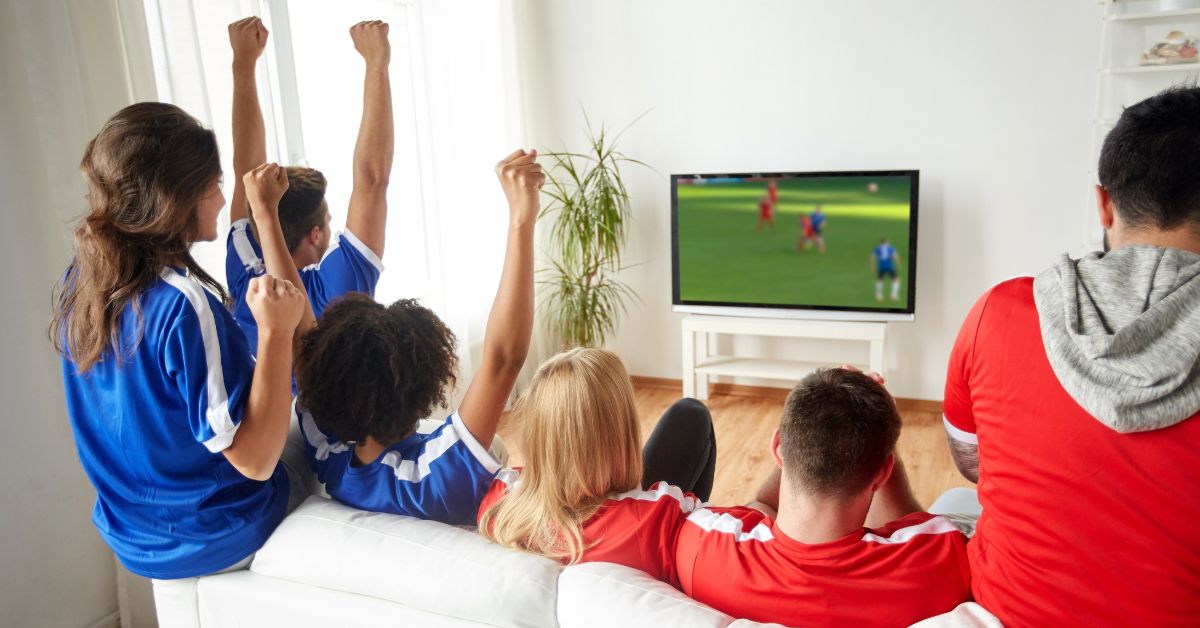
If you work in an office, the World Cup is a break-room conversation and maybe a TV in a common area. It has a container. If you work from home, there’s no separation between “watching” and “working” — both happen on the same laptop, in the same room, from the same chair you’ve been sitting in since 8 a.m.
The result usually isn’t a full day lost to soccer. It’s something sneakier: a persistent half-focus, where a tab stays open all match long “just in case,” and neither the work nor the watching gets your full attention. Research on task-switching shows that even small interruptions — a glance at a live score, a Slack notification, a highlight clip — can cost a professional a significant share of their productive time, because the brain doesn’t actually multitask. It toggles, and every toggle has a tax.
Stack that tax across five weeks of a global tournament, during the exact stretch when most companies are asking for mid-year results, and the math stops being trivial.
Play Offense With Your Calendar
Here’s the part that actually works in your favor: World Cup kickoffs are fixed and public. Unlike the average workday distraction — a random text, a news alert — you know exactly when the Round of 16 kicks off, when the quarterfinals start, and when the final whistle blows on July 19. That predictability is a planning tool, not just a scheduling headache.
Instead of leaving a tab open “just in case,” block your deep work for the hours before kickoff, when you know your attention won’t be competing with anything. Then treat the match itself as a real, scheduled break — the same way you’d treat lunch — rather than something you try to squeeze in around a spreadsheet. The version of the day that fails almost every time is the one where you try to do both, badly, for three hours straight.
Give Deep Work a Different Room Than Match Day
The biggest lever here isn’t willpower. It’s location. When your workspace and the place you’d watch a match are the same twelve feet of carpet, your brain never gets a clean signal that says “we’re focusing now.” A dedicated space changes that immediately — a closed door, a morning block with nothing else competing for the screen, no second monitor quietly running a live score tracker in the corner.
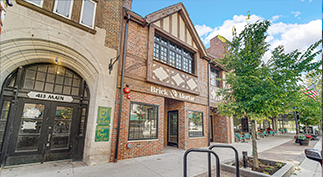
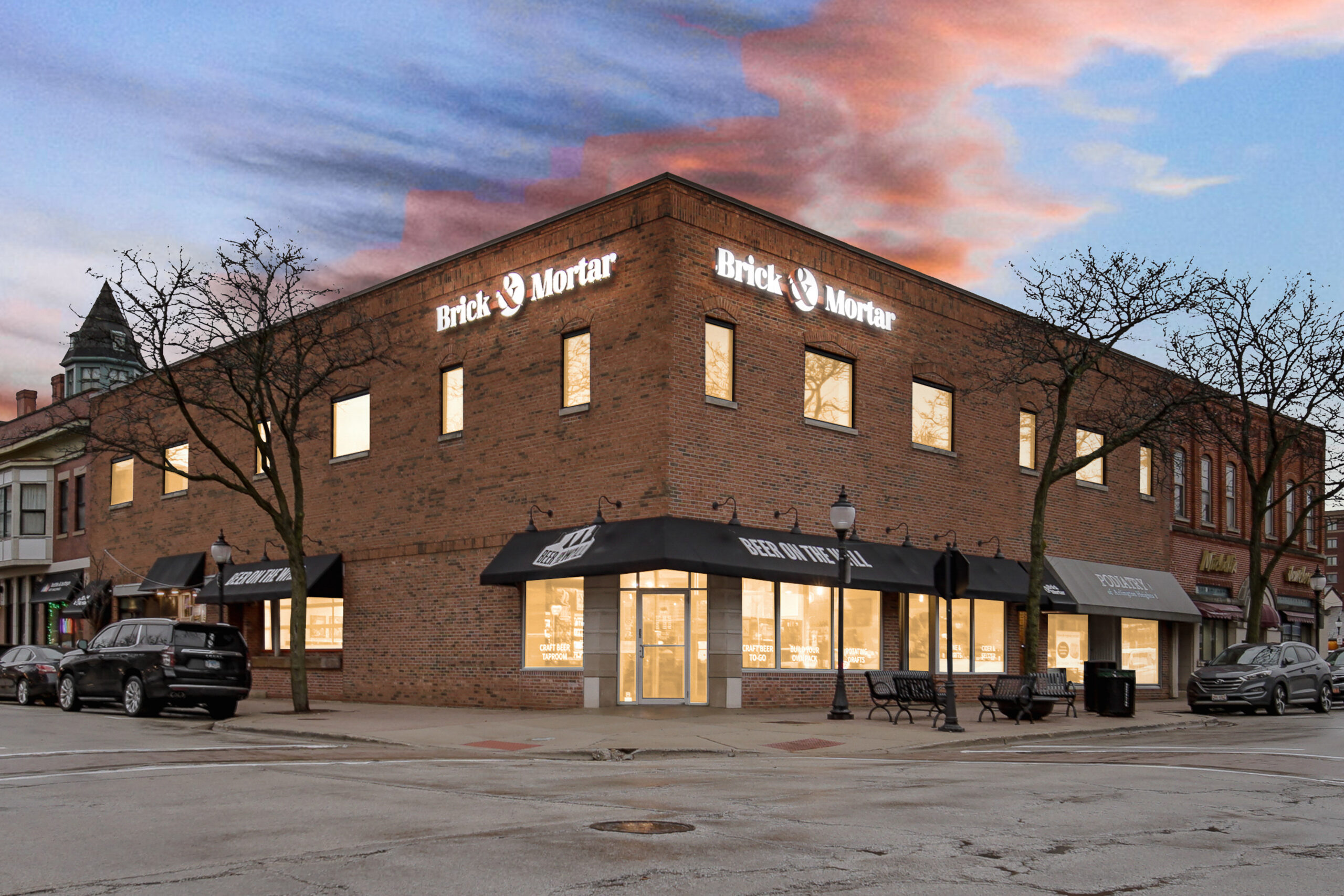
That’s true whether you need a private office for a few focused hours, a day pass to reset your environment, on-demand, or a meeting room for an actual work session with your team. And if you do want to catch a match on purpose — with colleagues, or with a client during a lunch hour instead of pretending to ignore it — our meeting rooms come with Smart TVs ready for HDMI or AppleTV, so a match can be a planned, social thirty minutes instead of a guilty background distraction. The room goes right back to being a conference room the moment the half ends.
A Simple Match-Day Rhythm
You don’t need a complicated system, just a container:
- Before kickoff: Protect a real deep work block. Morning hours before the early matches are usually your cleanest stretch of the day.
- During the match: Watch it, fully, on purpose — or treat it as your one true break of the day if you can’t step away. Half-watching while answering emails is the version that costs you the most and gives you the least.
- After the final whistle: Come back to a space that still feels like “on.” If home has turned into 90 minutes of match plus residual scrolling, that transition back to focus is much harder than walking back into a workspace that never left work mode.
- On the days that matter most: If a big match falls on a day you also have a client call or a presentation, book the space you need in advance. The day should have structure regardless of how loud the group chat gets about a VAR review.
Mid-Year Momentum Doesn’t Take a Month Off
Growth doesn’t pause for a tournament, even one this big. Deep work is a habit, and habits are fragile exactly when your environment stops reinforcing them. A dedicated neighborhood space — somewhere close enough that using it isn’t its own decision every morning — protects five weeks of momentum without asking you to give up watching the biggest sporting event on the planet. You can do both. You just can’t do both in the same space.
Ready to Protect Your Focus This Summer?
Book a Tour → Considering a private office for consistent deep work? See a fully furnished space designed for focus, no matter what’s on TV.
Reserve a Space → Want to watch a match with your team or a client the right way? Book a meeting room with a Smart TV ready to go.
Get a Day Pass → Just need one clean, focused day away from the noise? Grab a day pass and reset your environment.