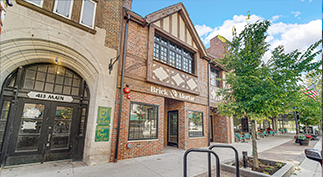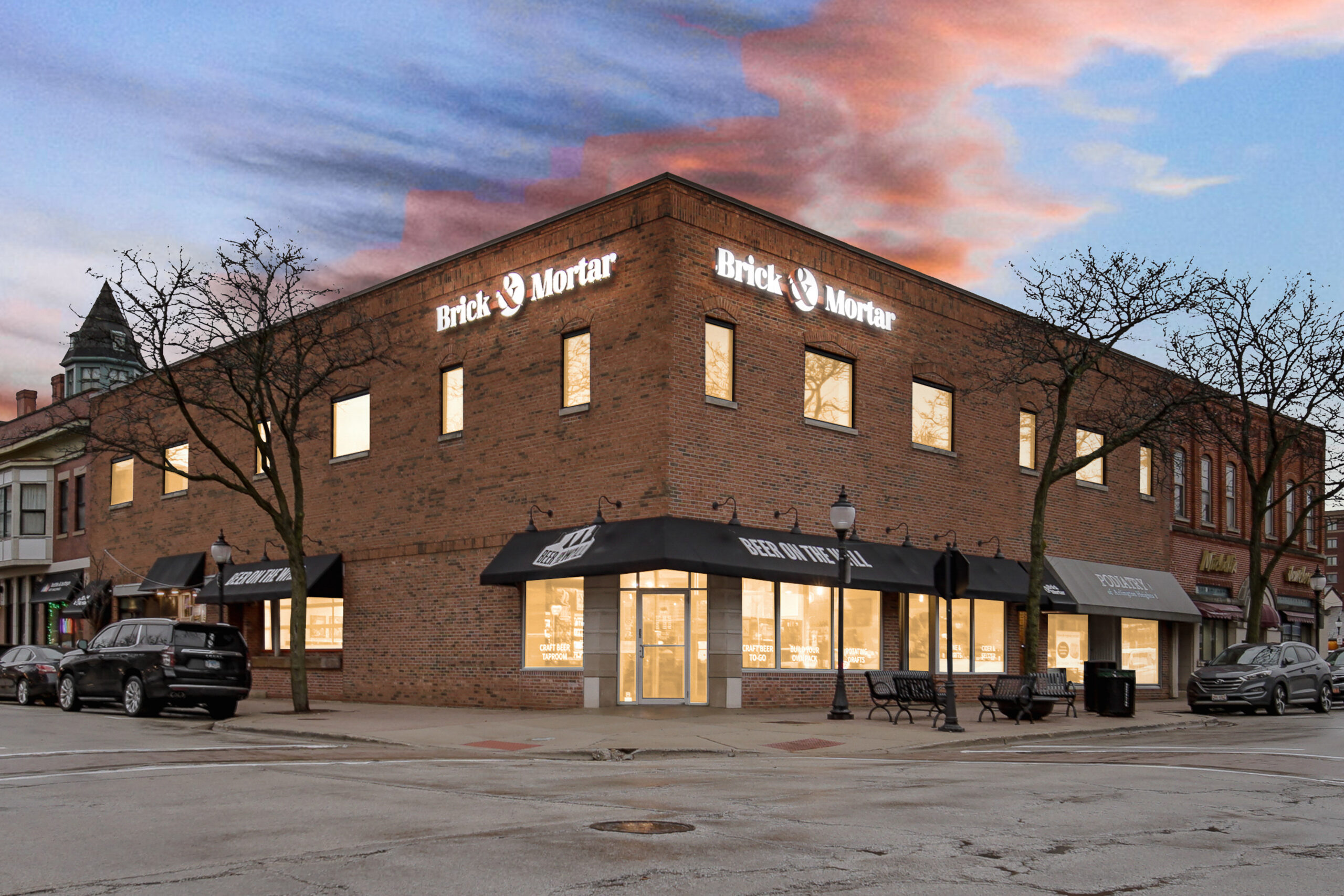

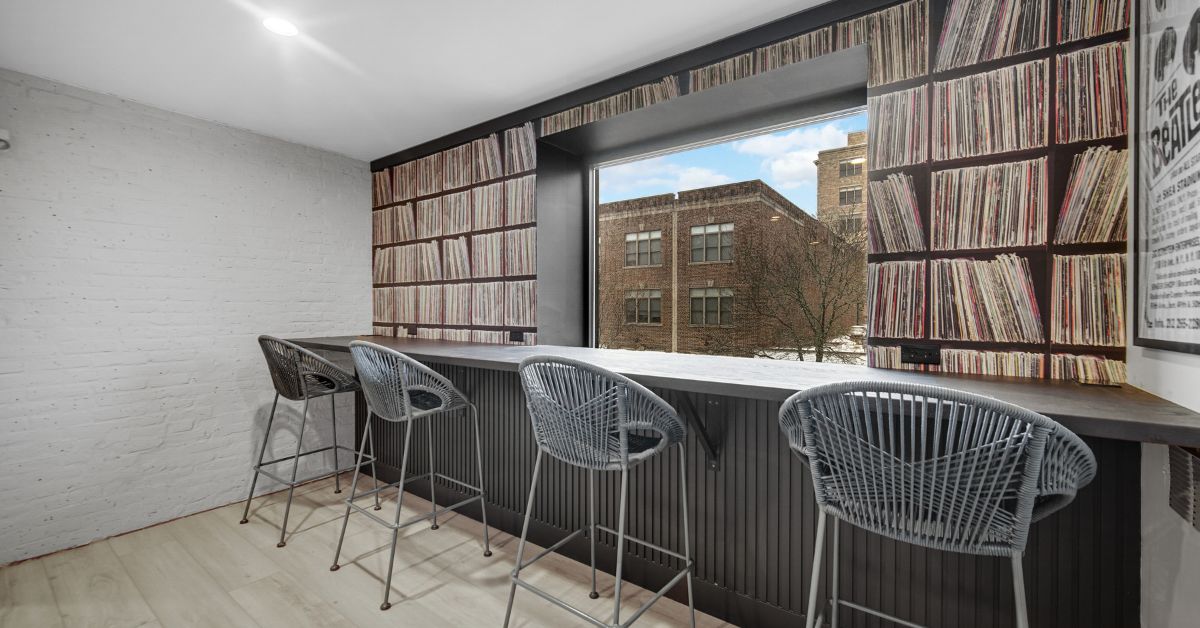
In the high-stakes world of professional performance, your ability to sustain attention is your most valuable asset. However, the human brain is not designed for indefinite, high-intensity output without reprieve. When you find yourself hitting a wall, the secret to resetting your mind productivity is not to force your way through the fatigue. But to utilize a strategic transition that replenishes your cognitive reserves while keeping your professional mindset intact. At Brick & Mortar, we understand that for serious professionals, the workday is an elite performance. Just as an athlete utilizes active recovery to maintain peak strength, a professional must utilize their environment to maintain focus. Additionally when your workspace is aligned with your identity as a high-performer, a “reset” isn’t a distraction—it’s a tactical advantage.
The Problem: The High Cost of the “Power-Through” Mentality
Most professionals operate under the misconception that productivity is measured by the number of hours spent sitting in front of a screen. This “power-through” approach often leads to Directed Attention Fatigue (DAF). Whenever the brain is pushed to focus on demanding tasks for too long, its ability to filter out distractions and process complex information begins to decline significantly. After all, you aren’t just tired; you are losing the ability to maintain professional standards.
The mistake many make is attempting to reset in environments that are disorganized or filled with non-professional stimuli. Attempting to clear your head in a chaotic domestic setting often leads to more stress, not less. Brick & Mortar provides the necessary environment to fix this. By placing professional anchors in the heart of the neighborhoods where our members live—Arlington Heights, Deerfield, Glen Ellyn, Libertyville, and Park Ridge—we offer a workspace designed for real results.
1. The Private Office Sanctuary: The Physical Posture Shift
For our Private Office members, your office is more than just a room; it is your command center. It is a space built for high-level accomplishment and absolute focus. Because you have already established a habit loop of deep work within these four walls, leaving the office for a reset can sometimes break that valuable momentum.
The Strategy for Private Office Members: The most effective way to reset without losing your edge is to change your physical relationship with your work right where you are. Every private office at Brick & Mortar is equipped with a premium sit/stand desk. This isn’t just an ergonomic feature; it is a mental performance tool.
- The Vertical Shift: When you feel your cognitive energy dipping, transition your desk to a standing position. This simple physical act increases blood circulation and oxygen flow to the brain, which can instantly improve alertness and mood.
- The Office Micro-Zone: Create a “non-screen” zone within your office. Turn away from your monitors and spend three minutes focused on a physical notebook or simply looking out the window at the neighborhood.
By utilizing the sit/stand desk and the privacy of your own office, you reset your mind while remaining in the “performance zone.” You don’t need to leave your professional base to find clarity; you simply need to shift your perspective within it.
2. The Neighborhood Anchor: The “Green Space” Transition
For our Coworking Membership members, the ability to move between different professional environments is a core part of the workday. However, the goal is always to keep that movement intentional. A “reset” should be a bridge between two periods of high productivity, not a gateway to a lost afternoon.
The Strategy for Coworking Members: We have strategically chosen our locations in Arlington Heights, Deerfield, Glen Ellyn, Libertyville, and Park Ridge because they offer immediate access to high-quality neighborhood assets. Research in Environmental Psychology suggests that a “nature reset” is one of the fastest ways to restore directed attention.
- Arlington Heights: A quick walk to Recreation Park allows you to trade the digital glow for natural sunlight, clearing the path for your next deep work block.
- Deerfield: Utilize the proximity to Jaycee Park for a ten-minute rhythmic walk to unstick a complex problem.
- Glen Ellyn: You can hop directly onto the Prairie Path right in downtown Glen Ellyn, near the Metra station (just east of Forest Avenue and north of Crescent Blvd). It is perfect for walking, running, or cycling. Heading west connects you to Wheaton, while heading east takes you through Lombard and Villa Park
- Libertyville: Step into the historic and peaceful atmosphere of Cook Park to disconnect from notifications and reconnect with your objectives.
- Park Ridge: A brief stroll to Hodges Park provides the open-air environment needed to reset your focus before returning to the shared professional lounge.
For a coworking member, these neighborhood walks are the ultimate “recharge station.” You aren’t just “going for a walk”; you are utilizing your neighborhood’s infrastructure to ensure your next three hours of work are your best.
3. The Meeting Space Protocol: The “Inter-Session” Reset
For those utilizing our Meeting Spaces—whether you are hosting a client, a strategy session, or a team workshop—the cognitive load is exceptionally high. Decision fatigue is a real threat to the success of your meeting. If you try to push a team through four hours of intense negotiation without a mental break, the quality of the decisions will drop.
The Strategy for Meeting Space Users: To maintain the high standards of your professional gathering, you must build “inter-session” resets into the agenda.
- The Architectural Shift: Encourage meeting participants to step out of the meeting room and into the common professional areas for a five-minute transition. The shift from a collaborative, enclosed space to the open, structured environment of a Brick & Mortar common area acts as a mental palate cleanser.
- The Professional Walk-and-Talk: If a particular agenda item is stalled, move the conversation outside. Walking through the walkable downtown areas of our neighborhoods—from the streets of Glen Ellyn to the historic center of Libertyville—can stimulate the brain’s “diffuse mode” of thinking, often leading to the breakthrough the meeting needs.
Winning the Day: Identity-Driven Productivity
Most people drift through their workdays, reacting to whatever noise is loudest. High performers do the opposite. They design their environment and their schedule around their goals. They know they have “won the day” when their output matches their professional identity.
Certainly, if you are serious about your work, your environment has to match that level of seriousness. This is why we have eliminated the friction of the traditional office and the distractions of home life. Whether you are working from a private office in Park Ridge, a coworking desk in Deerfield, or hosting a high-stakes board meeting in Arlington Heights, you are in a space built for results.
Every reset you take should be a tool that serves your output. By choosing a professional workspace in your own neighborhood, you are taking control of your time. You are eliminating the commute and the domestic interruptions, and replacing them with a system that allows you to work better and live more.
Conclusion: Fix Your Workday
The ability to reset your mind without killing your momentum is what separates the busy from the truly productive. Your workspace should not just be a place where you sit. It should be an environment that supports your mental performance. By utilizing the sit/stand desks in our offices, the green spaces in our neighborhoods, and the professional structure of our common areas. You ensure that your focus remains sharp all day long.
Stop settling for a fragmented, distracted workday. It is time to get out of the house and into an environment that was built for your success.
Done with distractions Done with noise Done with the commute Welcome to Brick & Mortar.
Sources Quoted and Cited:
- Cal Newport: Deep Work: Rules for Focused Success in a Distracted World. (On the importance of intense focus and the cost of context switching).
- James Clear: Atomic Habits. (Regarding the power of environmental design and habit loops).
- Stephen Kaplan: The Restorative Benefits of Nature: Toward an Integrative Framework. (Journal of Environmental Psychology – detailing Attention Restoration Theory).
- Dr. Marc Berman: The Cognitive Benefits of Interacting With Nature. (Psychological Science – on the role of green spaces in cognitive recovery).
- Journal of Physical Activity and Health: The Impact of Sit-Stand Desks on Workplace Productivity and Energy Levels.
- Stanford University: Give Your Ideas Some Legs: The Positive Effect of Walking on Creative Thinking. (Journal of Experimental Psychology).