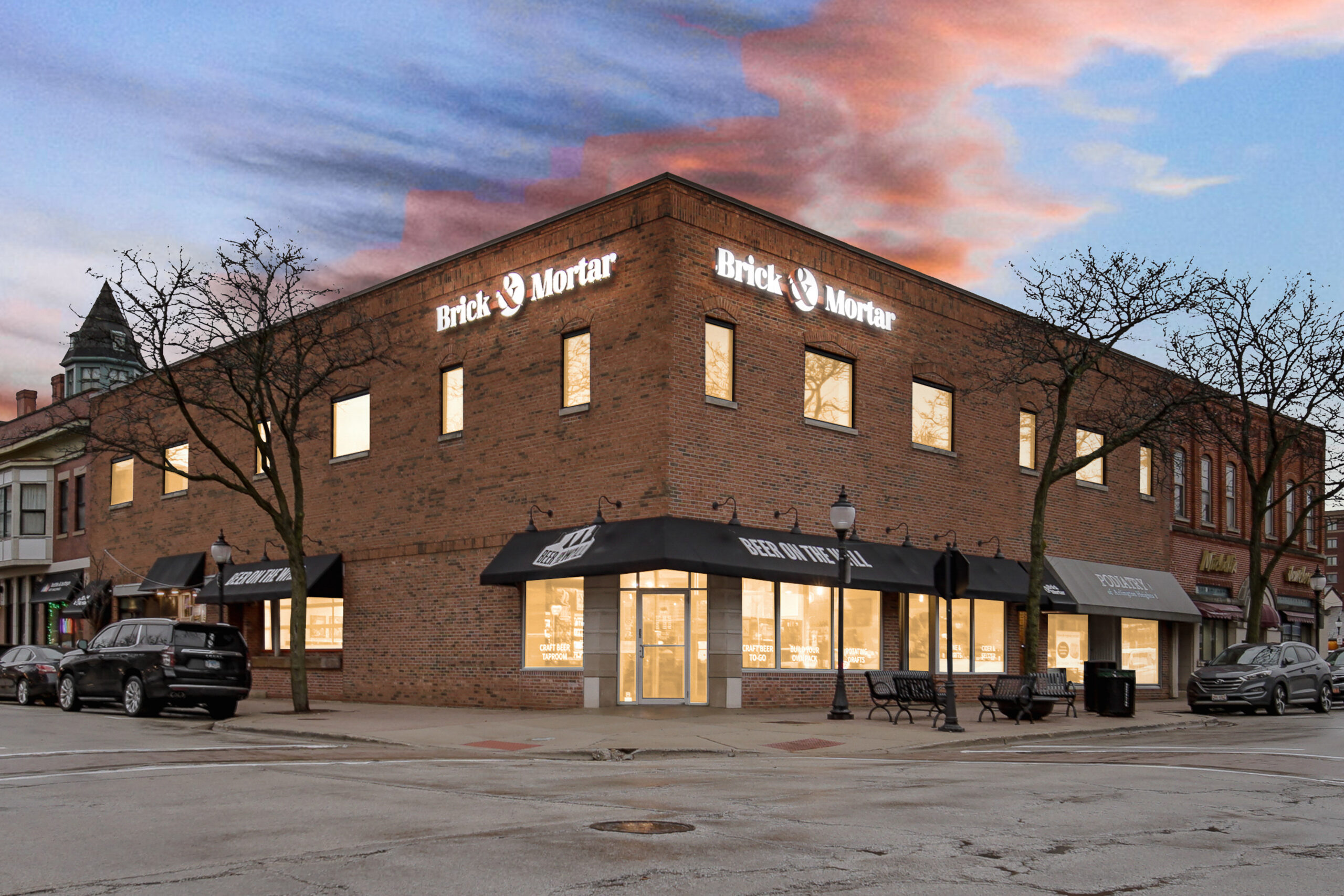


In the professional landscape of 2026, the myth of the “anywhere office” has finally been debunked by the reality of cognitive load. Many high-achievers spent years believing that discipline alone could carry them through a workday at the kitchen table or in a noisy coffee shop. However, we now know that work environment quality is the single most significant predictor of high-level professional output. At Brick & Mortar, we have seen firsthand how shifting from a space of domestic distraction to a space of professional intention fundamentally changes not just what you do, but how well you do it.
The Science of Space: Neuro-Architecture and Focus
The human brain is a master of association. This neurological phenomenon, often called context-dependent memory, means our brains “tag” specific environments with specific behaviors. If you try to perform high-stakes analysis in the same room where you watch television or sleep, your brain is forced to spend valuable energy suppressing the urge to relax or graze on snacks.
A high work environment quality eliminates this internal friction. When you step into a space designed exclusively for professional execution, your brain receives a clear signal: It is time to focus. This transition reduces the “activation energy” required to start difficult tasks. By choosing a dedicated environment, you are essentially outsourcing your discipline to your surroundings.
The Cognitive Tax of Home Distractions
While the remote work revolution offered freedom, it also introduced a persistent “distraction tax.” Even if you have a “home office,” the psychological proximity of household chores, family members, or the mail carrier creates a state of continuous partial attention.
Research into workplace interruptions shows that it takes a significant amount of time to return to a state of “Deep Work” after a single distraction. In a domestic setting, these interruptions are often subtle—a dog barking, a laundry timer, or the temptation of the refrigerator. Each one shatters your cognitive momentum. Professional environments like those provided by Brick & Mortar are strategically designed to act as a shield, protecting your focus from the micro-interruptions that erode a workday.
The Physical Pillars of Performance
To maximize the quality of your output, your environment must address three critical physical pillars:
- Acoustic Control: Total silence is often as distracting as loud noise. The goal for high-performance work is a “productive hum”—a consistent, moderate background frequency that masks individual distractions.
- Visual Clarity and Biophilia: Cluttered environments lead to cluttered minds. Spaces that incorporate natural light and greenery (biophilic design) have been shown to reduce cortisol levels and increase attention spans.
- Ergonomics and Movement: The ability to move between a standing desk, a private focus station, and a collaborative lounge allows your body to stay engaged. Physical stagnation leads to mental stagnation.
By optimizing these factors, you aren’t just making work “more pleasant”; you are increasing your brain’s capacity for complex problem-solving.
The Strategic Shift: Professionalism Close By
One of the biggest shifts in 2026 is the realization that the best workspace is one that is minutes away, but distinctly separate from home. The long commute to a centralized downtown headquarters is a relic of the past, but so is the idea that the bedroom is a viable office.
The modern “work-life ecosystem” relies on having a professional “command center” close by. This proximity allows for a clear psychological “bridge” between personal life and professional life. When you leave your home and travel just a few minutes away to a Brick & Mortar location, you are performing a ritual of transition. This ritual prepares you for the high-intensity work required to stay competitive in today’s economy.
Why Design for Output Matters
At Brick & Mortar, every square foot of our spaces is engineered for one thing: real output. We have moved past the era of “vibes” and entered the era of performance. Our members aren’t looking for a “cool” place to hang out; they are looking for a place where they can get more work done in less time.
This design philosophy is consistent across all of our locations. Whether you are working from our spaces in:
You will find the same commitment to a distraction-free, 24/7 accessible environment. We ensure that the barrier between you and your best work is as thin as possible. By providing a professional sanctuary close by, we give our members the ability to reclaim their focus and, ultimately, their time.
The Identity of the High Performer
Ultimately, where you work is a reflection of how you value your own time. Working in a subpar environment is a signal that your focus is negotiable. Choosing a high-quality, professional workspace is an investment in your own potential.
When you remove the noise, the clutter, and the domestic distractions, what remains is your ability to execute at the highest level. You are no longer fighting your environment; you are being supported by it.
Conclusion: Take Control of Your Output
If you find yourself finishing the day feeling busy but not productive, look at your surroundings. Your environment is likely shaping your work quality more than you realize. Stop trying to “power through” a broken workday.
Fix your environment, and your work will follow.
Get out of the house. Get into Brick & Mortar.
Sources Cited:
- Newport, C. (2016/2024 updated). Deep Work: Rules for Focused Success in a Distracted World. Grand Central Publishing.
- University of California, Irvine (2023). The Cost of Interrupted Work: Re-establishing Cognitive Flow.
- Gensler Research Institute (2025). The Impact of Workplace Design on Cognitive Performance and Employee Well-being.
- Journal of Environmental Psychology (2024). Biophilic Design and the Restoration of Attention in Professional Settings.
- Leesman Index (2026). The Global Home-Working vs. Office Performance Benchmark.