

When corporate teams need to meet away from the office, the default solution is often a hotel boardroom.
For years, hotels have positioned themselves as the obvious choice for leadership meetings, strategy sessions, department offsites, and client presentations. Executive assistants and administrative professionals may begin their search by contacting nearby hotels simply because those are the venues they already know.
But a hotel boardroom is not always the most practical—or productive—option.
For small and midsized corporate teams, a professional meeting room at Brick & Mortar can provide a more focused environment, modern amenities, flexible hourly booking, and significant cost savings without the contracts, minimums, and unnecessary event infrastructure that often accompany hotel meeting spaces.
Even companies with impressive conference rooms on their own corporate campuses can benefit from occasionally giving their teams a different place to think.
Why Meet Offsite When You Already Have Meeting Rooms?
Many corporate offices have advanced conference rooms, presentation technology, comfortable furniture, and everything a team technically needs to hold a meeting.
But an offsite is not only about finding a table, chairs, and a screen.
Changing the environment signals that the meeting itself is different from the team’s normal routine. Instead of another conference-room appointment squeezed between emails, calls, and daily responsibilities, an offsite creates intentional space for planning, decision-making, and deeper collaboration.
At the office, employees remain surrounded by their usual workload. Someone may be pulled into another meeting. A colleague might stop by with a question. Notifications continue appearing. Participants may mentally treat the session like any other meeting on the calendar.
An offsite creates separation.
It gives the team permission to step away from daily operations and focus on the specific objective in front of them. That objective might be developing an annual plan, reviewing quarterly performance, resolving an operational problem, onboarding new leadership, or aligning departments before an important launch.
A new setting can also change the energy in the room. People may communicate differently, contribute more openly, and think beyond the habits and patterns established inside their usual workplace.
The goal is not to replace the corporate office. It is to use a different environment when the work requires a different level of attention.
The Hidden Cost of a Hotel Boardroom
Hotels serve an important purpose, especially for conferences, companywide events, and gatherings involving overnight guests.
For a focused corporate meeting, however, the hotel event model can be more than a team actually needs.
Hotel meeting spaces often require hefty food and beverage minimums, rigid booking structures, added service charges, and event packages built for banquets instead of business—all of which may make little sense for a corporate team simply looking for a productive place to meet.
A company planning a six-person strategy session may find itself navigating the same contracting process used for a wedding, banquet, or major corporate event. The meeting room may only represent one part of the final cost after audiovisual fees, hospitality charges, administrative fees, and required catering are added.
There is also the cost of paying for infrastructure the team will never use.
A hotel may need to maintain ballrooms, banquet kitchens, event departments, overnight accommodations, and large-scale conference operations. Those services are valuable for major events, but a leadership group of eight should not have to absorb the cost of an event model designed for hundreds of guests.
Brick & Mortar is not trying to compete with hotels for large conventions or 500-person conferences. Our meeting rooms are intentionally designed for smaller corporate teams that need a polished place to think, collaborate, and make decisions.
That difference in scale allows companies to pay for the space they actually need—not the event operation surrounding it.
Premium Flexibility Without Contracts or Commitments
Corporate schedules change quickly.
An executive’s availability shifts. An agenda expands. A department realizes it needs a second breakout room. A client presentation takes longer than expected. An additional planning session becomes necessary.
Traditional hotel contracts are not always designed to accommodate those changes easily.
Brick & Mortar offers a more flexible, à la carte approach. Teams can reserve the room or combination of rooms they need by the hour, based on availability, without long-term contracts, catering minimums, or additional event commitments.
A smaller leadership group might reserve an intimate huddle room. A department meeting may require a traditional conference room. A collaborative session could benefit from a lounge, collaboration room, or event-style space.
Companies can also reserve multiple spaces when the agenda calls for breakout sessions, private conversations, or separate working groups.
Rather than forcing every meeting into one standard boardroom format, teams can select the environment that supports the actual work being done.
A confidential leadership conversation requires a different setup than an interactive brainstorming session. A client presentation may need a traditional conference layout, while a department retreat may benefit from a more comfortable and conversational room.
The right space should support the meeting—not dictate it.
Modern Rooms Set the Tone for Better Work
The quality of a meeting environment influences how people experience the meeting itself.
While some hotel meeting rooms are carefully updated, others are not a central part of the property’s business. The result can be dated décor, worn furniture, limited ergonomic support, unreliable technology, or audiovisual systems that feel several generations behind the tools teams use every day.
That matters.
A room with uncomfortable chairs, poor lighting, outdated presentation equipment, or an uninspiring atmosphere can drain energy before the meeting has even begun. When a company brings together senior leaders, project teams, or important clients, the environment should reflect the quality of the conversation taking place.
Brick & Mortar meeting rooms are designed around modern professional work.
Depending on the room and location, teams may have access to presentation displays, video conferencing capabilities, whiteboards, high-speed internet, comfortable furniture, and shared hospitality amenities.
The spaces are polished enough for executive meetings and client presentations while remaining comfortable, practical, and easy to use.
Teams can arrive, connect their technology, settle in, and begin working without navigating a large event department or coordinating every detail through several hotel contacts.
For executive assistants and administrative professionals, that simplicity is especially valuable. The person organizing the offsite is often responsible for the room, directions, parking, technology, refreshments, timing, and the overall guest experience.
The venue should reduce that workload—not turn a meeting into a full-scale event production.
A More Engaging Neighborhood Experience
A productive offsite does not always end when the formal agenda is complete.
Teams may want to walk to lunch, continue a conversation over coffee, meet for dinner, or spend a few minutes outside before returning to the office.
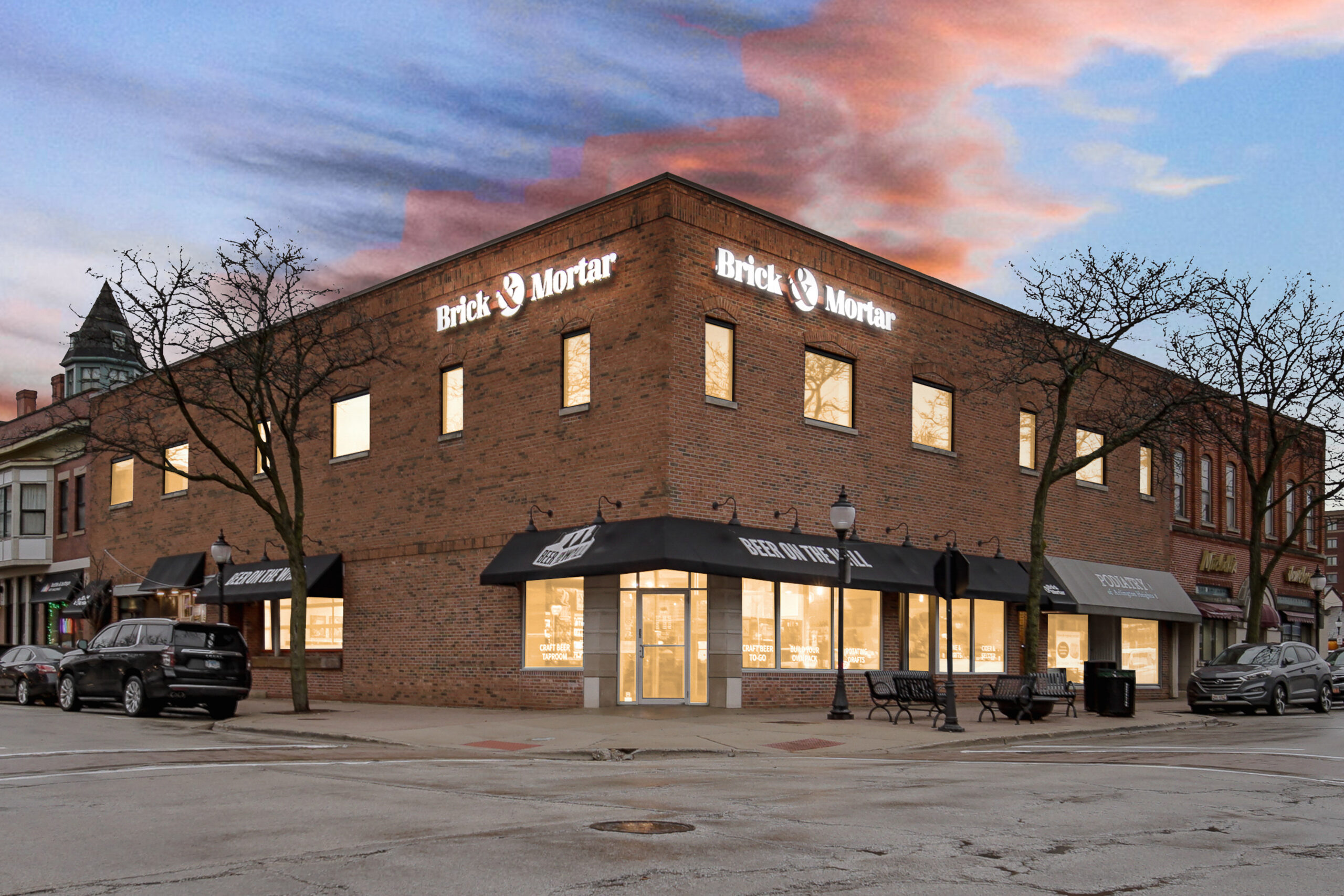
Many Brick & Mortar locations are positioned near active downtown areas with restaurants, cafés, transportation, and local businesses nearby. This gives companies more freedom to create a complete offsite experience without keeping employees inside one building for the entire day.
A strategy session can transition naturally into lunch. A leadership meeting can continue through an informal team conversation. Employees can take a short walk between sessions instead of moving from one windowless conference room to another.
These details may seem small, but they can make the day feel more intentional, energizing, and memorable.
Choose a Space Designed for the Meeting You Are Actually Hosting
Not every corporate gathering requires a ballroom, banquet package, or hotel event contract.
In many cases, the most important work happens with fewer people in the room: a leadership team defining next year’s priorities, a department reviewing performance, a project group preparing for a launch, or an executive meeting with trusted advisors.
Before defaulting to a hotel boardroom, consider what your team actually needs.
Does the meeting require overnight accommodations and large-scale event support? A hotel may be the right choice.
Or does the team simply need a private, modern, appropriately sized environment where people can concentrate, collaborate, and make progress?
For that kind of corporate offsite, Brick & Mortar offers a more flexible and cost-effective alternative.
- You do not need to pay for a ballroom when your team needs a boardroom.
- You do not need a banquet contract when you need a few productive hours.
- You do not need more event infrastructure.
You need the right room, the right environment, and the freedom to use it on your terms.
Explore Brick & Mortar’s meeting rooms to find the right setup for your team, then choose your location and book a meeting room.
Your team does not need another ordinary conference room.
It needs a space designed to move the work forward.