

Workplace distractions rarely show up on a receipt. Yet your current setup may be costing you something every day: the attention needed to finish a project, the energy to handle a difficult conversation, or the evening you intended to spend away from work.
You can get used to those costs. Eventually, the interrupted mornings and unfinished tasks start feeling like a normal part of the job.
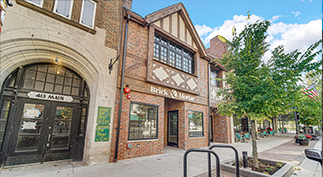
Before accepting another day like that, consider what staying where you are actually requires of you. At Brick & Mortar, we help people take back control of their workday by giving important work a setting that actually supports it.
What Workplace Distractions Take From Your Attention
Imagine preparing a proposal while repeatedly stopping to handle something happening around you. Each interruption leaves you finding your place again, checking what you already covered, and rebuilding the thought you were developing.
The interruptions may be brief. However, the work becomes a sequence of starts instead of a stretch of sustained attention.
For someone writing, analyzing information, or working through a complex decision, that difference matters. Being available at your laptop does not mean the task is receiving the attention it needs.
Ask yourself how often you reach the end of a busy day with the most demanding item still waiting.
The Extra Effort Of Working Around Your Environment
Sometimes you finish everything on the list. The cost is how much effort it took to get there.
In a 2008 laboratory study of interrupted work, researchers studied 48 participants performing an email task. Their findings suggested people compensated for interruptions by working faster. Participants also reported greater stress, frustration, time pressure, and effort in the interrupted conditions.
That study offers a useful reminder: completed work does not tell the whole story of the working experience.
Think about the energy spent checking whether a room is quiet, moving before a call, or waiting for household activity to settle. Workplace distractions can become something you continually manage alongside the responsibilities you already have.
When the environment requires less management, you have a better opportunity to direct that effort toward the work itself.
The Work That Keeps Getting Pushed Back
You probably have tasks that can survive an interrupted day. Responding to a routine message may fit into a brief gap.
Other work needs more room. A thoughtful proposal, a planning session, or preparation for a presentation can be harder to complete in fragments.
As a result, the work requiring the most concentration may keep moving to tomorrow. You handle what is immediately in front of you while the project that could move your business forward remains unfinished.
Consider what has been on your list for several days. Is the task unclear, or have you never given it suitable time and space?
That answer can help you decide what kind of workday to arrange next.
The Attention You Bring To Important Conversations
Your workspace also shapes how you prepare for a meeting.
If you are searching for privacy, moving equipment, or worrying about interruptions, those concerns compete with preparing what you want to say. During a video call, you may find yourself monitoring the appropriateness of your surroundings more than focusing on what the other person is actually saying.
For a client meeting or team decision, suitable space deserves a place in the plan. A private office can provide a separate setting for a call. A meeting room can give a group somewhere to concentrate on the same conversation.
Our guide to preparing the setting for an important meeting explains how to approach that preparation. You can choose a room that supports the conversation and decisions ahead, rather than forcing them into whatever space happens to be available.
The Evening That Becomes Part Of The Workday
When focused work keeps getting interrupted, you may decide to finish it later. Later can become after dinner, after another commitment, or just before bed.
Occasionally, that happens because the workload is unusually heavy. At other times, a task moves into your evening because it never had workable conditions during the day.
Notice which pattern applies to you. If the same project keeps following you home, the place where you work may deserve a closer look.
Our article on separating work from home explores how a physical boundary can support a clearer stopping point. Giving work somewhere to happen can make it easier to decide when it is finished for the day.
Look At What You Have Learned To Tolerate
Familiar routines can make workplace distractions harder to notice. You already know which room to move into, when the neighborhood gets loud, and which hours give you the best chance of finishing something.
Those adjustments help you cope. They can also hide how much of the day you spend adapting your work to the setting.
For one week, notice what interrupts you and what you do in response. Record which tasks you postpone, when you move locations, and whether unfinished work extends into your evening.
Then consider which changes would help. You may need fewer interruptions for individual work, more privacy for calls, or a professional room when people need to gather.
You do not need to assign a dollar value to those observations to find them useful.
Give Your Next Workday A Better Setting
Brick & Mortar offers different spaces for different demands. A Day Pass provides somewhere to work away from home. An hourly private office gives you a separate room for work that needs privacy. A monthly private office provides a dedicated base, while meeting spaces support client conversations and team sessions.
With locations in Park Ridge, Deerfield, Glen Ellyn, Libertyville, and Arlington Heights, you can explore a professional setting close to the routines you already have. That is your home court advantage: useful workspace nearby when your current setup falls short.
Choose a task and try a setting that fits it. Afterward, assess the day. Was it easier to stay with the work? Did you feel better prepared for the conversation? Could you finish at the time you intended?
The cost of staying where you are can be easy to overlook when it arrives through workplace distractions, extra effort, and work that keeps waiting. Give yourself another option and see what changes.
Book your space, schedule a private office tour, or reserve a meeting room.