
For the modern remote professional, the “office” has become a fluid concept. But there is a dangerous trap in the flexibility of working from a kitchen table or a spare bedroom: the assumption that professional output is independent of our physical surroundings. If you are striving for elite levels of achievement, you must realize that a truly professional work environment is not a luxury—it is the essential infrastructure for high-level performance.
The ability to concentrate without distraction is the superpower of the 21st-century economy. If you are serious about your work, you can no longer afford to fight an environment that was designed for domestic life, not for deep, focused output.
The Ceiling of the Home Office
Most people working from home hit a performance ceiling they can’t quite explain. They have the talent, the tools, and the drive, yet they end their days feeling “busy” but not “productive.” This is because your brain is an environment-sensitive instrument. It builds habit loops based on the cues it receives.
When you work where you live, your brain is in a constant state of cognitive friction. It is trying to engage in high-stakes strategy while simultaneously processing the doorbell, the laundry, or the general hum of a household. This leads to “shallow work”—a cycle where you are reactive rather than proactive. To move the needle on your most important goals, you need a space that signals one thing: it is time to perform.
Defining the Professional Standard
A workspace should do more than just hold a laptop; it should handle the logistics of focus so that you can dedicate 100% of your energy to your craft. When you move your workday into a dedicated professional work environment, you are investing in three core pillars of success:
- Identity Alignment: Your environment should reflect your standards. If you identify as a high-performer, your workspace must match that standard of excellence.
- Elimination of Friction: No more searching for a quiet corner for a call or battling inconsistent Wi-Fi. A professional space removes the “micro-annoyances” that drain your willpower.
- The “Done” State: By physically leaving a professional environment at the end of the day, you create a clear boundary. This allows you to be fully present at home because you have truly finished your work.
Tactical Performance: The Tools of the Trade
A professional work environment provides tools that a home setup simply cannot. One of the most effective levers for sustained energy is the ability to change your physical relationship with your work throughout the day.
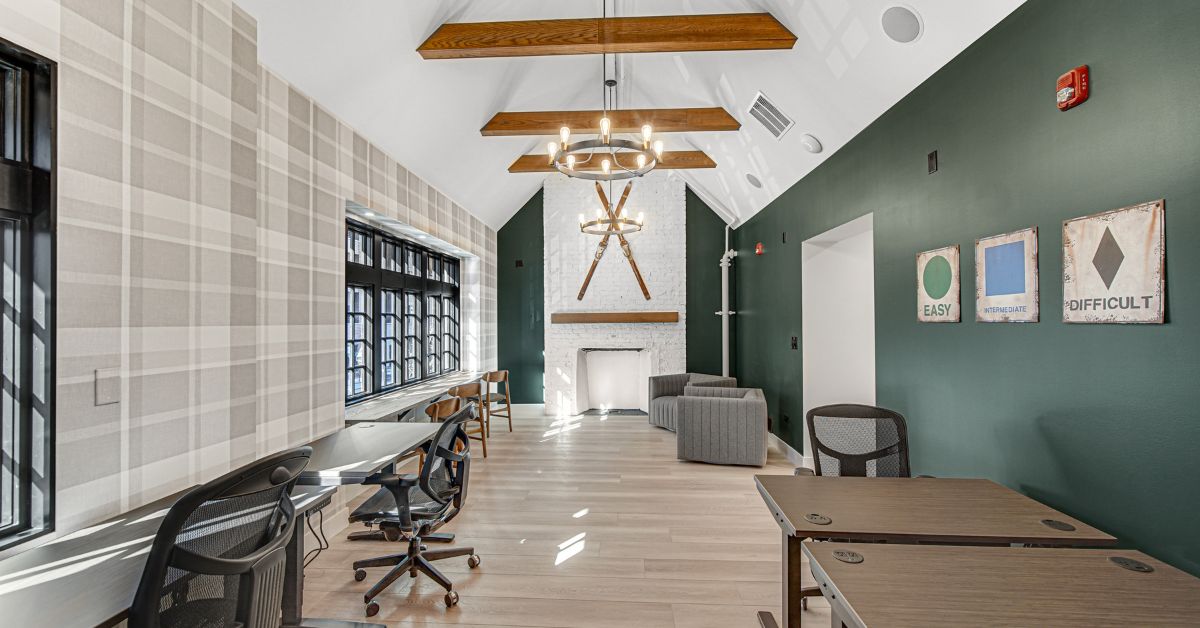
For those who need the ultimate focus, our private offices include premium sit/stand desks. Physical stagnation leads to mental stagnation. By transitioning your desk to a standing position every 60 to 90 minutes, you increase blood flow and oxygen to the brain, effectively “resetting” your mental alertness without ever leaving your focus zone.
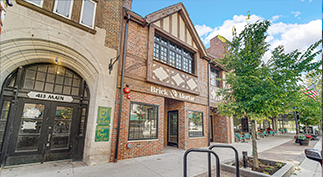
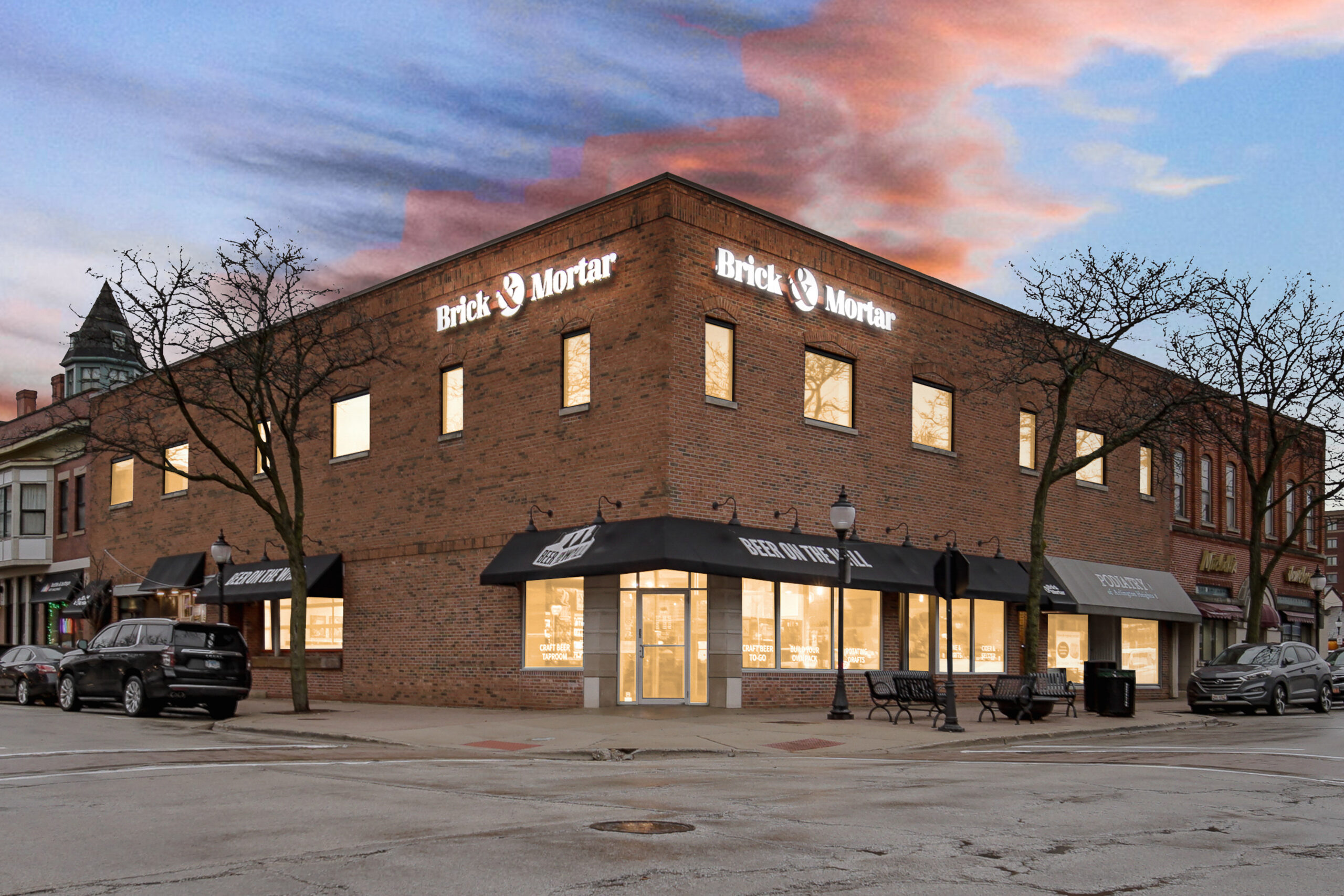
But a professional environment also understands the need for a mental palate cleanser. We have integrated our locations into the fabric of the most walkable and vibrant neighborhoods—Arlington Heights, Deerfield, Glen Ellyn, Libertyville, and Park Ridge—to allow for strategic resets. A ten-minute walk through a local park or a neighborhood center is a tactical component of a high-performance system. It clears the “mental cobwebs” and prepares you for your next block of deep work.
Reclaiming the Stolen Week
The most significant benefit of shifting to a professional neighborhood workspace is the reclamation of time. The traditional corporate commute is a theft of nearly 30 to 40 hours a month—time that is lost to traffic and stress.
By choosing a workspace in your own neighborhood, you take those hours back. You aren’t just “leaving the house”; you are moving into a system that works as hard as you do. You are choosing a “home court advantage” that keeps you close to your life while keeping your professional standards untouchable.
Conclusion
If your work is serious, your environment must be serious. You cannot build an elite career or a thriving business on a foundation of domestic distractions. Your workspace should be a silent partner in your success, providing the structure, quiet, and professional tools necessary for you to win the day.
The core idea is simple: Work better. Live more. Your workspace shapes more than your workday—it influences how you show up in every other part of your life. If you’re ready to create more space for what matters most, schedule a tour today and experience Brick & Mortar for yourself.
Done with distractions Done with noise Done with the commute. Welcome to Brick & Mortar.
Sources Quoted and Cited:
- Cal Newport: Deep Work: Rules for Focused Success in a Distracted World. (On the necessity of environmental focus for cognitive output).
- James Clear: Atomic Habits. (On how environment serves as the primary driver of professional habit loops).
- Stephen Kaplan: The Restorative Benefits of Nature. (Journal of Environmental Psychology – detailing Attention Restoration Theory).
- The Ergonomics Journal: The Impact of Sit-Stand Desks on Workplace Productivity.
- Stanford University: The Positive Effect of Walking on Creative Thinking. (Journal of Experimental Psychology