
Labor Day is a celebration of work, but it is also a good time to ask what productive work in 2026 actually looks like. The answer has changed.
Productivity is no longer defined by sitting in the same office five days a week, but it should not be defined by simply opening a laptop at home every morning either.
The better standard is knowing what kind of work you need to do and choosing an environment that helps you do it.
That is the opportunity remote work created. Now it is time to use that flexibility better.
Remote Work Gave Us Flexibility. Now We Need to Use It.
According to the U.S. Department of Labor, Labor Day recognizes the social and economic achievements of American workers and their contributions to the country’s strength, prosperity, and well-being. More than a century after the holiday was established, the way many Americans work looks completely different.
Remote and hybrid work are now established parts of the professional landscape. Gallup’s 2026 Hybrid Work Indicator shows that 52% of remote-capable U.S. employees currently work hybrid, while 26% work exclusively remotely.
That flexibility is valuable. It also created a misconception that still shapes too many workdays: Remote work has to mean working from home.
It doesn’t.
A remote professional can work from their basement office, their kitchen island, a coffee shop, a hotel lobby, a library, the gym cafeteria, or a professional coworking space — sometimes even moving between a few of them in the same week.
The freedom to choose where you work best, based on what the day requires, is part of what productive work in 2026should look like.
Working From Home Isn’t the Problem. Never Working Anywhere Else Can Be.
There are plenty of days when home works.
You might have a lighter schedule, a few emails to answer, or administrative work that does not require much separation from everything happening around you.
Then there are the days when home starts fighting the work.
A proposal needs several uninterrupted hours. A client call requires privacy. Your calendar is packed with meetings. A deadline is approaching. Someone in the house needs something every twenty minutes. The dining room table has somehow become an office, mailroom, conference room, and part of your home all at once.
At that point, the problem is not your ability to work remotely.
The problem is asking one environment to support every kind of work you do.
We recently explored this in Identity Over Infrastructure: Why Where You Work Changes How You Work. A laptop and Wi-Fi may be enough to technically work from almost anywhere, but the environment around you can still influence how easily you focus, communicate, and separate professional time from personal time.
Sometimes the answer is not another productivity hack.
Sometimes you need a door.
Busy Is Not the Same as Productive
Modern workdays have no shortage of activity.
Microsoft’s research on the modern workday found that employees using Microsoft 365 were interrupted on average every two minutes during core working hours by meetings, emails, or notifications. Nearly half of surveyed employees also described their work as chaotic and fragmented. Microsoft calls this the “infinite workday,” where communication and work increasingly spread across more of the day.
That distinction matters.
You can spend an entire day answering messages, jumping between calls, checking notifications, and reacting to what comes next without making much progress on the work that actually matters.
We covered that problem in Drifting Through Your Workday? Here’s How to Take Control. Better work is not necessarily about squeezing more into the calendar. Often, it starts with removing the friction that keeps breaking your attention.
For many remote professionals, that friction is physical. Your workspace is part of your workflow.
Productive Work in 2026 Means Choosing a Space That Fits the Work
The conversation around remote work often gets reduced to two choices: work from home or go back to a traditional corporate office.
That leaves out a much better option.
Work where the work works best.
Need an uninterrupted day to finish a proposal? Grab a Day Pass.
Have three hours of calls that shouldn’t happen within earshot of your household? Reserve an Hourly Private Office for the day.
Planning Q4 with your team? Get everyone into a meeting room instead of adding another grid of faces to the calendar.
Meeting an important client? Choose an environment that reflects the quality of your services.
The point is not to eliminate working from home. Research published in Nature found that a hybrid schedule allowing employees to work from home two days per week improved job satisfaction and reduced quit rates by one-third without damaging performance.
Flexibility can work very well. The next step is making it more intentional.
That is what productive work in 2026 should mean: you don’t have to work wherever you happen to be. You can choose the environment that helps you do your best work.
Focus Needs a Place
Some work simply requires more concentration than other work.
Writing, analyzing, creating, preparing presentations, handling financial information, developing strategy, and making important decisions all become harder when your attention is constantly being pulled somewhere else.
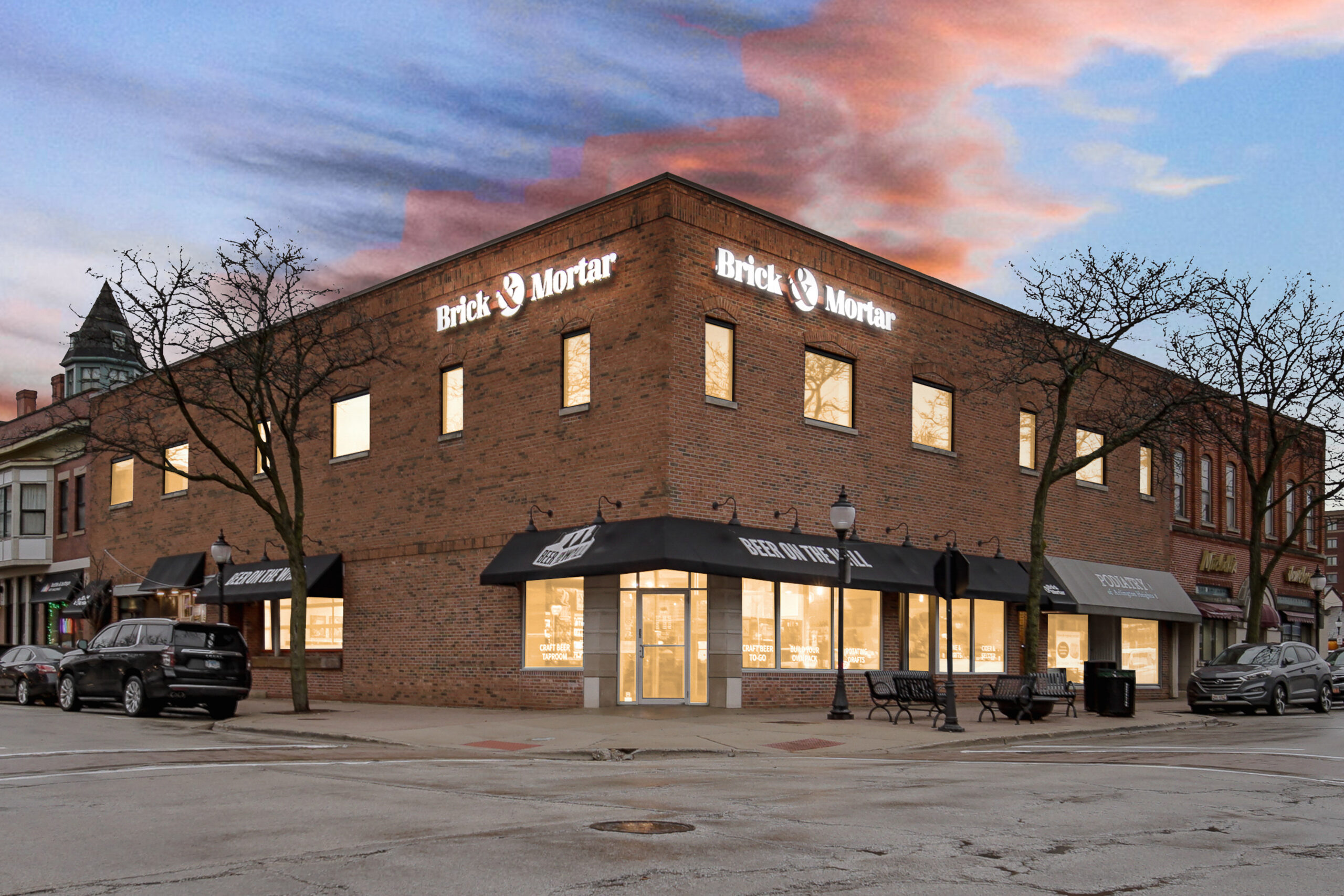
For a single focused workday, a Brick & Mortar Day Pass gives you a professional place to work without committing to a regular schedule.
When you need more privacy, a Brick & Mortar Private Office gives that work a dedicated place to happen.
You walk in, sit down, close the door, and work.
There is no need to recreate an office every morning or negotiate with the environment around you before you can focus. Fully furnished private offices, high-speed internet, professional amenities, and flexible commitments give remote professionals a workplace when they need more than home can provide.
You still control your schedule.
You simply have a better place to execute it.
Collaboration Needs a Better Standard, Too
Not every meeting needs to be in person. Some work better that way.
September is when many businesses start looking seriously toward Q4. Teams are discussing goals, budgets, strategy, year-end projects, sales plans, and what still needs to happen before December 31. A conversation like that can technically happen over Zoom. Technically is a low bar.
When a team needs to brainstorm, make decisions, present ideas, work through a problem, or spend several hours planning together, the setting matters.
Brick & Mortar Meeting Rooms give hybrid and remote teams a professional place to come together without maintaining a full-time corporate conference room they rarely use.
Book the room when the work calls for it. Go remote when it doesn’t. That is flexibility with a purpose.
Your Business Should Not Have to Live at Home Either
The WFH problem does not stop when the laptop closes. For entrepreneurs, consultants, independent professionals, and small business owners, working from home can also mean putting a residential address on business correspondence, receiving company packages at the house, or using the same address for personal and professional life.
A business can operate remotely without living at your home.
Brick & Mortar’s Business Mailbox Membership provides a professional business address, secure mail reception, a dedicated lock-and-key mailbox, and package storage. When you need a physical workspace, you can still book a private office or meeting room. Our guide, Virtual Office vs. Business Mailbox: What’s the Difference and Why Does It Matter?, explains how the service fits businesses that want a professional presence without taking on a traditional office lease.
Your company gets a professional home base. Your home gets to stay home.
The New Standard Is Control
Labor Day was created to recognize the people doing the work. In 2026, we should also be paying attention to the conditions we are asking people to work in.
A better workday does not automatically mean returning to a corporate office five days a week. It also does not mean forcing every meeting, deadline, confidential call, deep-work session, and client interaction into the house because your job happens to be remote. Productive work in 2026 is more flexible than that. It is knowing when home works and recognizing when it doesn’t.
It is choosing focus when you need focus, privacy when you need privacy, and the right room when the work calls for one.
Most importantly, it is having options.
Research & Resources
For more on how work is changing, explore the U.S. Department of Labor’s History of Labor Day, Gallup’s Hybrid Work Indicator, the Nature study on hybrid work, retention, and performance, and Microsoft’s research on the infinite workday.
Build a Workday That Works Better
If working from home works for part of your week, keep it.
When home starts costing you focus, privacy, professionalism, or separation between work and life, stop trying to make one environment handle every kind of work.
Brick & Mortar gives you another option.
Need a Better Place to Focus?
Start with a Day Pass when you need a productive place to work for the day, or explore Brick & Mortar Private Offices when you need more privacy and consistency.
Have an Important Meeting Coming Up?
Book a Brick & Mortar Meeting Room for Q4 planning, client meetings, team sessions, presentations, and conversations that work better face-to-face.
Ready to Get Your Business Out of the House?
Explore Brick & Mortar Business Mailbox Memberships and give your business a professional address without committing to a traditional full-time office.
Keep the flexibility. Choose the right environment. Win the day.