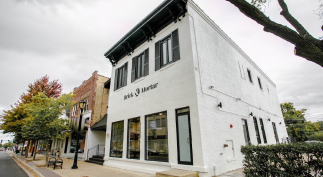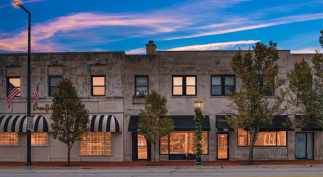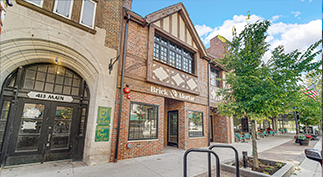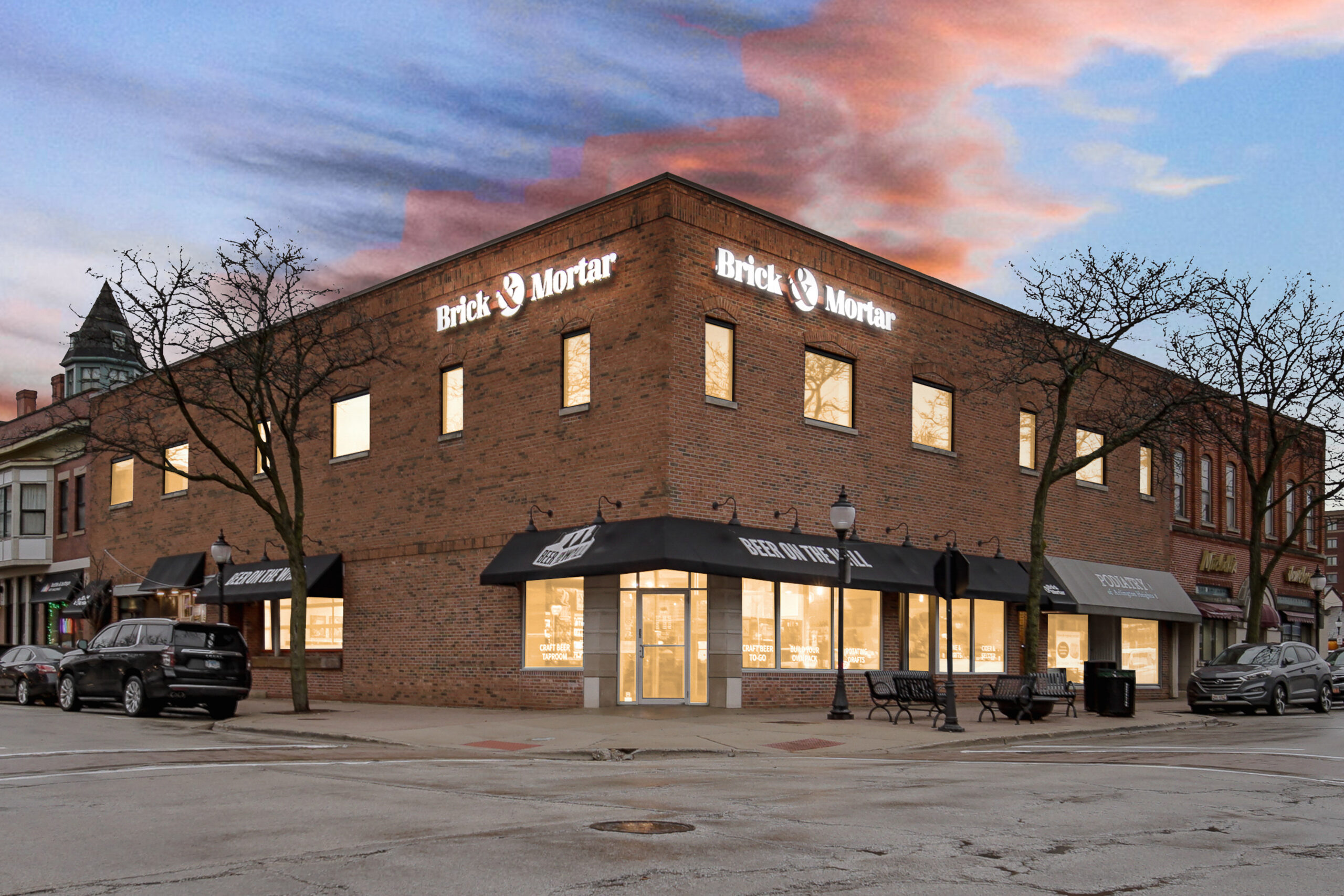


In the professional landscape of 2026, the physical location of a group meeting is no longer just a detail—it is a strategic decision that directly impacts the quality of the output. For teams spread across the region, finding a central point of gravity often results in a choice between two extremes: the congestion of a downtown headquarters or the isolation of a remote home office. However, a third, more efficient model has emerged as the preferred choice for high-performers. Utilizing a professional neighborhood meeting space near train lines provides a “hub-and-spoke” efficiency that respects the team’s time and energy. At Brick & Mortar, we have intentionally curated our spaces to be situated in the heart of walkable neighborhoods, ensuring your team has a professional sanctuary close by the transit lines they already use.
The Problem with the Traditional Commute
For years, group meetings were synonymous with highway traffic. Whether it was a quarterly strategy session or a critical client pitch, the day would begin with team members fighting for position on the interstate, arriving at a sterile office park or a crowded downtown skyscraper already mentally depleted. Research into cognitive load suggests that the stress of a high-friction commute can significantly lower a team’s creative threshold and collaborative energy for the first several hours of a session.
By shifting the meeting to a neighborhood meeting space near train access, you eliminate this “commuter tax.” Neighborhoods offer a different psychological experience than the typical suburban office park. They feel integrated, alive, and accessible. When a team meets in a local neighborhood hub, they are tapped into a community energy that fosters better communication and more authentic connection. This is not about “making do” in a local setting; it is about choosing an environment that is optimized for the human brain’s need for focus and clarity.
Transit-Oriented Collaboration: The Metra Advantage
The primary logistical challenge of any group meeting is accessibility. You need a location that is easy to reach for the executive traveling from the city, the out-of-state consultant grabbing an Uber straight from the airport, and the local team member who lives just a few blocks away. This is why Brick & Mortar has prioritized proximity to train lines.
The Metra system serves as the nervous system of our region’s professional life. By situating our workspaces minutes away from these stations, we provide a predictable, hands-free travel experience for your entire group. Team members can use their travel time to review the meeting agenda, respond to urgent emails, or mentally prepare for the day’s objectives. Once they step off the train, the transition to the office is immediate. This proximity allows for a level of punctuality and ease that highway travel simply cannot guarantee.
On-Demand Professionalism: Meeting on Your Terms
One of the most significant shifts in 2026 is the demand for flexibility. Modern teams do not want to be locked into long-term leases for space they only use occasionally. They need high-quality environments that are available on-demand. Brick & Mortar provides this through an intuitive, digital-first approach to workspace management.
Whether you need a private conference room for a high-stakes board meeting, a collaborative open area for a creative brainstorming session, or cater an introductory client meeting to their home turf. You can book your space and receive access credentials instantly. This frictionless process ensures that you are never waiting on a gatekeeper or navigating administrative hurdles. Your team arrives, enters the space, and starts working. This autonomy is essential for teams that value agility and speed. In our neighborhoods, your “office” is always ready when you are, providing a consistent professional standard without the overhead of a traditional lease.
Engineered for Real Output
A neighborhood meeting space should never be confused with a casual meeting spot like a library or a coffee shop. High-performance work requires high-performance infrastructure. At Brick & Mortar, every square foot of our environment is engineered to support deep work and serious collaboration. Collaborative Infrastructure: Spaces equipped with large-screen displays for presentations and virtual collaboration, along with large whiteboards to support brainstorming, planning, and productive team discussions.
When your group gathers at one of our locations, you have access to:
- High-Speed Business Class Internet: Essential for seamless video conferencing with remote partners and high-bandwidth cloud collaboration.
- Acoustic Privacy: Our rooms are designed to keep your conversations inside the room, allowing for the candid discussion of strategy and data.
- Professional Ergonomics: We provide furniture designed for long-duration focus, ensuring that a full-day strategy session doesn’t end in physical fatigue.
By providing these enterprise-grade amenities in a neighborhood setting, we allow teams to maintain a high level of professionalism while remaining close to home.
A Network of Local Hubs
Consistency is the foundation of reliability. When a team uses Brick & Mortar, they know exactly what to expect regardless of which neighborhood they are meeting in. We have established a uniform standard of excellence across all of our locations, ensuring that the technology, the atmosphere, and the quality of the space are dependable across the board.
You can find a Brick & Mortar professional sanctuary close by the train in the following neighborhoods:
- Arlington Heights
- Deerfield
- Glen Ellyn
- Libertyville
- Park Ridge
By maintaining these five strategic locations, we give your team the “Home Court Advantage” across the entire region. You can rotate your meeting sites to accommodate different team members’ travel needs, always knowing that a professional, distraction-free environment is just minutes away from the station.
The Identity of the Efficient Team
Ultimately, where a team chooses to meet is a reflection of their culture. Teams that choose neighborhood hubs are signaling that they value efficiency, respect for personal time, and high-quality focus. They are rejecting the outdated notion that work must happen in a massive, centralized office to be “serious.”
In 2026, the most successful organizations are those that empower their people to work in environments that support their best self. By utilizing Brick & Mortar, you are participating in a work-life ecosystem that prioritizes output over optics and neighborhood community over corporate isolation.
Conclusion: Reclaim Your Team’s Momentum
If your group meetings are currently being hampered by the logistics of the commute and the friction of outdated office models, it is time to move your collaboration to the neighborhood. A neighborhood meeting space near train lines is more than a convenience—it is a tool for better work.
Stop fighting the geography of the past and start embracing a local, high-performance future.
Get out of the traffic, Get into the neighborhood, Get into Brick & Mortar.
Sources Cited:
- Journal of Urban Mobility (2025). The Impact of Transit-Oriented Development on Professional Productivity. 2. Gensler Research Institute (2024). Why Neighborhood Hubs are Replacing the Centralized Suburban Office.
- Metra Analytics Report (2026). Professional Commuting Patterns in the Chicago Region: The Rise of Local Hubs.
- HBR (2025). The Architecture of Collaboration: How Environment Shapes Group Problem-Solving.