

It is 8:15 on a Tuesday. You have a check to deposit in person, a shirt waiting at the dry cleaner, and a kid to hand off at kindergarten. You also have a three-hour block of deep work that will decide how your entire week goes. The morning is already loud with logistics, and it is not even nine a.m.
So you make the old trade. You either burn the morning running across town and slide into work late and scattered, or you skip the errands, sit through a long commute, and drag the mental clutter to your desk anyway. Either way, something you care about gets shortchanged before lunch.
Neither option is good. Both quietly steal hours you never get back, and both leave you feeling like the day is running you.
There is a smarter way to sequence a day. It starts with a single decision: where you work.
The Hidden Tax of Crossing Town
Distance is never free. According to the U.S. Census Bureau, the average American one-way commute runs close to 27 minutes — nearly an hour a day spent simply getting to a desk and back. Now add the detours: the bank across town, the gym near home, the school on the far side of the highway. None of it shows up on your calendar, yet all of it shows up in your energy.
Every crossing costs more than minutes. Research from the University of California, Irvine found it takes an average of 23 minutes to fully refocus after an interruption. When your morning is a chain of drives and stops, you are not only losing travel time. You are paying a refocus tax every single time you sit back down.
That is the real price of a rigid, single-location workday. It forces your errands and your focus into direct competition. One of them always loses — and usually it is the work that matters most.
What “Local Synergy” Actually Means
Local synergy is what happens when the places you already go and the place you do your best work finally land on the same map. It sounds small. In practice, it reshapes the entire rhythm of a workday.
Instead of driving twenty minutes past your own neighborhood to reach an office, then twenty minutes back for the dentist, you handle the errand, travel a short distance, and drop straight into deep work nearby. The dead time collapses. The transitions shrink. The day moves in one clean direction instead of ping-ponging across the county.
Proximity compounds. Save fifteen minutes here and twenty there, and by Friday you have reclaimed a genuine block of time — enough for another workout, another client call, or a truly restful evening with nothing left on the to-do list.
The Compounding Math of Proximity
Think about the arithmetic. A fifteen-minute detour avoided on Monday is not a one-time win. Repeat it five days a week, most weeks of the year, and you have handed yourself back dozens of hours — the equivalent of extra workdays you never had to fight for.
That is the quiet power of local synergy. It does not demand heroic discipline or a brand-new productivity system. It simply removes the friction that was draining you and lets the hours you already had finally do their job.
The Brick & Mortar Advantage
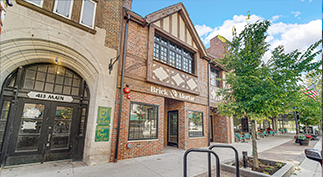
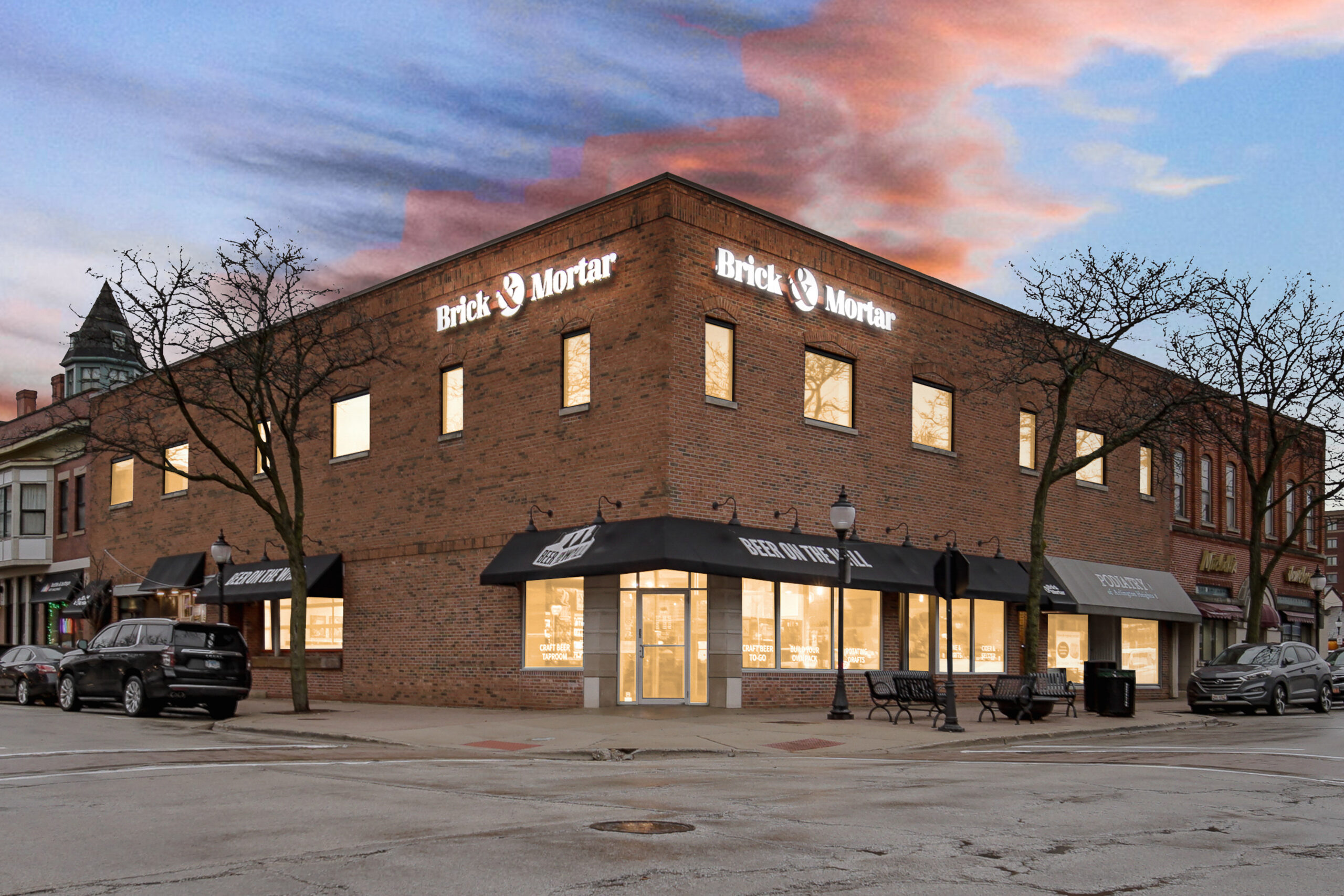
Most coworking brands ask you to orbit one downtown tower. Brick & Mortar does the opposite. With five neighborhood locations, there is a professional workspace near where your life already happens — not an hour removed from it.
Drop the kids, grab your coffee, and settle into a focus station built for productivity minutes later. Finish a deep-work sprint, step out for the dry cleaner, and return seamlessly for the afternoon push.
No membership is required, so you can book the location that fits your errands that day — by the hour or by the day — and choose a different one tomorrow.
We have moved past the era of “vibes” and entered the era of performance. A workspace that bends around your real geography is not a luxury. It is leverage.
How to Sequence Your Day for Synergy
- Map your fixed points first. List the errands that must happen in person and note where they fall on the map.
- Anchor to the nearest location. Choose the Brick & Mortar spot closest to that cluster, not the one closest to habit.
- Batch the edges. Stack quick errands into the “before” and “after” of your focus block so they never interrupt the middle.
- Protect the deep-work core. Reserve a meeting room or hourly private office for your hardest task and defend it like an important meeting.
- Keep booking flexible. Some days your errands sit in Deerfield, other days in Arlington Heights. Book on demand and let your workspace follow your life.
Feature, Benefit, and the Feeling You Actually Want
The feature is proximity paired with keyless Kisi entry — simply wave your phone near the reader or tap “unlock.” No keychain to fumble with, no receptionist to wait on — just secure, 24/7 access at every location.
The benefit is a day with no dead time and no scramble between stops. The emotion is control: the quiet confidence of someone whose errands and ambitions have finally started cooperating.
That is the difference between surviving a packed day and actually running one. Productivity is personal, and it begins with geography.
Our Locations:
Stop driving across town to choose between your life and your work. Put them on the same map.
Ready to find the location closest to your errands and your ambitions? Schedule a tour today.
Sources:
- U.S. Census Bureau, American Community Survey — mean one-way commute time
- Mark, G., University of California, Irvine — research on interruptions and time to refocus