

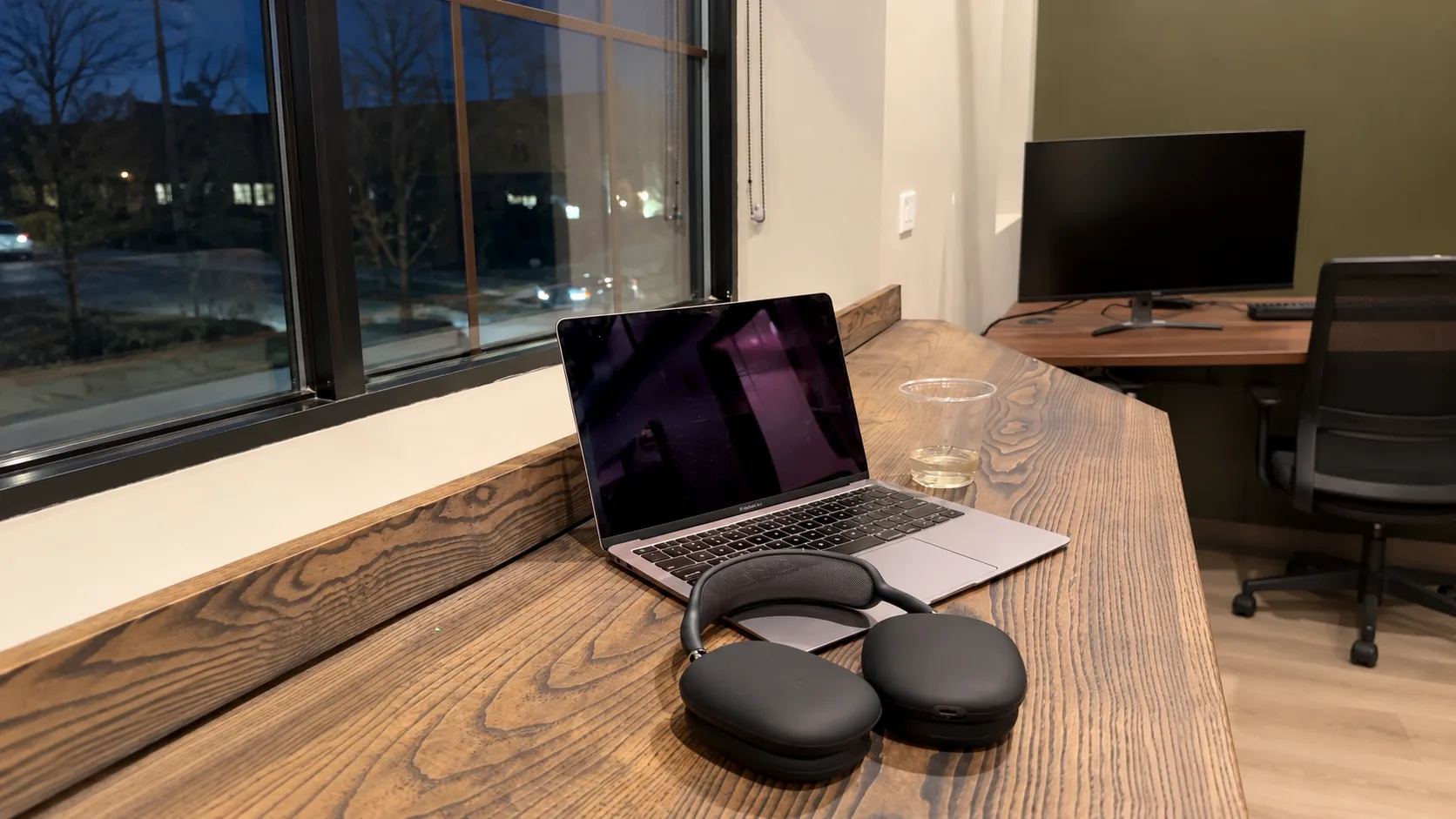
A work from home routine can be convenient and still feel stale. Each Monday begins in the same room, with the same view and the same sequence of interruptions. Eventually, the week may feel familiar before anything has happened. Changing that pattern does not require a new career or an elaborate morning ritual. It starts with identifying which part of the repetition is no longer helping you.
Sunday is a useful moment to notice the pattern. Keep the response small enough that it can survive a normal Monday.
Separate Consistency From Repetition That Drains You
A dependable routine can reduce daily decisions. Knowing when to begin and where your materials are can make work easier.
However, consistency becomes less useful when you repeatedly encounter the same obstacles. Perhaps your first hour disappears into household chores or a conversation with your partner that runs long. Maybe your workspace is crowded with vacation packing, or work messages spill into family dinner.
Identify the part you would change if only one adjustment were possible. Avoid the broad conclusion that everything needs replacing. Because some parts of your routine are probably working now, preserving them can make this experiment easier.
Our insight on resetting a work-from-home routine explores seasonal changes. In October, you can apply the same idea to a pattern that has settled in since the school year began.
Change The Cue That Starts The Day
What tells you work has begun? It may be opening email before breakfast, sitting in a certain chair, or checking messages while still in bed.
Some cues launch useful behavior. Others start a reactive morning before you have chosen a priority. Therefore, examine the first few minutes rather than rewriting the entire day.
Research on habit formation and context suggests that repeated behaviors are closely tied to the situations in which they occur. Although the study focuses on food consumption, the takeaway extends to how we approach our routines: when the same environment repeatedly cues the same behaviors, changing that environment may help interrupt the pattern. Moving your workspace won’t guarantee better focus, but it can be a practical way to test whether a different setting helps you work more effectively.
On Monday, make it easier to dive into the work that matters. Open the document or presentation you’re working on before checking your inbox, or settle into your workspace with your priority task already in mind. Notice whether having a clear starting point helps you get moving.
Let Different Tasks Have Different Settings
Your usual room may suit some work very well. That does not mean it needs to suit every task on the calendar.
Try sorting tomorrow’s work by its requirements:
- Routine updates may need only a stable connection.
- Writing may require uninterrupted time.
- A client discussion may need privacy and a setting where you feel prepared.
This gives you a more specific decision than asking whether working from home is right for you. You can keep what works and choose another arrangement for the part that does not.
Our article on why where you work changes how you work examines that relationship. A small change of place may be useful when it removes a concrete obstacle, even without changing your overall schedule.
Put Something Different Between Work Blocks
Repetition can also come from moving through the whole day without a change of pace. You finish one task, open another tab, and remain in the same position.
Choose a break that actually changes what you are doing:
- Step away from the screen.
- Get water.
- Go outside when conditions allow.
Avoid turning the break into another round of messages.
The purpose is a clear interruption of the work pattern. You do not need to make every break productive or attach an achievement to it.
For example, after a demanding writing block, leave the desk before moving into administrative work. That transition can help you notice that one part of the day has ended. Meanwhile, returning with a defined next task prevents the break from becoming an uncertain restart.
Give The End Of The Day A Different Shape
If you finish work in the same room where you spend the evening, the routine may never feel complete. A closing action can make the change more visible.
Write tomorrow’s first step, put work materials away, and leave the desk. Where possible, use another part of home to spend your evening.
For households with limited space, even clearing the surface can help distinguish its work use from its personal use. Agree on the arrangement with the people sharing it so the routine serves everybody.
If separation remains difficult, try working elsewhere for a defined part of the week. Compare whether returning home feels different when the unfinished work is physically somewhere else.
Keep The Useful Part Of A Work From Home Routine
A stale work from home routine usually contains something worth preserving. You may enjoy breakfast at home, appreciate avoiding a long journey, or handle certain tasks well in your usual room.
Name those benefits before making a change. Otherwise, frustration can push you toward replacing a whole arrangement when only one part needs attention.
For example, keep the comfortable administrative morning but move a recurring concentration block elsewhere. Alternatively, preserve the location and change the order of tasks so demanding work happens before messages take over.
The experiment becomes easier to assess when you know what you intended to retain. A better week should support the strengths of remote work as well as address its difficulties.
A work from home routine should also account for the equipment you carry between settings. Keep a simple list of essentials and prepare them before the experiment. Forgetting a charger or key document can make the new arrangement feel unsuccessful for a reason unrelated to the environment. Remove that avoidable variable so you can better evaluate whether the change helps you work more efficiently.
Make One Change And Learn From It
Tomorrow does not need to become a demonstration of your best possible habits. Choose one experiment and repeat it enough to observe the result.
Keep a short note about what changed:
- Did you begin the important task sooner?
- Did the setting reduce interruptions?
- Was the effort of the new arrangement worthwhile?
If the experiment helped, keep it. If it did not, revise the part that failed. A better work from home routine can include time outside home without becoming an entirely different life.
Brick & Mortar gives you that option when a specific task needs another setting. Try a Day Pass, consider an Hourly Private Office, or plan an important conversation in a meeting room. Give next week one useful difference.