

September is when a budget planning meeting starts becoming very real for many businesses. Summer schedules are ending, Q4 is approaching, and conversations about next year’s spending, hiring, contracts, priorities, and growth are beginning to move from “we should discuss that” to decisions that actually need to be made.
Those conversations deserve more than whatever space happens to be available.
When the decisions affect next year’s business, the room matters too.
Fall Is When Next Year Starts Taking Shape
For calendar-year businesses, planning for the next year often begins well before January.
Budgeting is not simply filling numbers into a spreadsheet. It can involve reviewing past performance, setting priorities, allocating resources, gathering input from department leaders, challenging assumptions, considering hiring needs, and getting leadership approval.
The Corporate Finance Institute’s guide to the budgeting process describes budgeting as a multi-step process involving stakeholder collaboration, strategic alignment, scenario planning, leadership review, and final approval.
That takes conversations.
The transition into fall naturally brings other decisions into focus: annual strategy, vendor relationships, contract renewals, staffing plans, year-end priorities, and what the business wants to accomplish next.
A budget planning meeting may start with numbers, but the real conversation is usually much bigger.
Where are we investing?
What needs more resources?
What are we cutting?
Who do we need to hire?
Which projects move forward?
What needs to change next year?
Those are not background conversations.
They shape the direction and momentum of the business.
Some Conversations Need More Than Another Video Call
There is nothing wrong with Zoom.
Routine updates, quick check-ins, and information-sharing meetings can happen virtually without asking everyone to drive somewhere just to hear an update they could have received online.
A decision-making meeting is different.
Microsoft’s guidance on how to get hybrid meetings right specifically distinguishes between different types of meetings. For “discuss and decide” meetings, Microsoft notes that synchronous conversation is often necessary because teams need to work through challenges together, hear different perspectives, and reach a decision.
That is exactly what happens during a good budget planning meeting.
Someone challenges a projection. Another leader sees a risk that was not considered. The sales forecast changes the hiring conversation. A budget request creates a larger discussion about priorities.
Those conversations rarely move in a perfectly straight line.
Sometimes someone needs the whiteboard.
Other moments require everyone to stop looking at slides and actually talk through the decision.
That is harder when the conversation has been squeezed into another 45-minute video call between everything else on the calendar.
The Room Should Support the Decision
A serious planning meeting does not need to feel complicated. It just needs to work.
Privacy matters when the conversation includes budgets, compensation, performance, staffing, contracts, or other information that does not belong within earshot of a coffee shop.
Reliable internet matters when someone needs to pull up financials or bring a remote stakeholder into the conversation.
A proper screen makes it easier for everyone to look at the same forecast, proposal, presentation, or plan.
Whiteboards help when the discussion moves beyond the deck.
Enough space around the table gives decision-makers somewhere to settle in instead of spending three hours balancing laptops next to coffee cups.
A professional environment also creates separation from the normal workday.
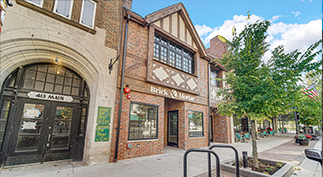
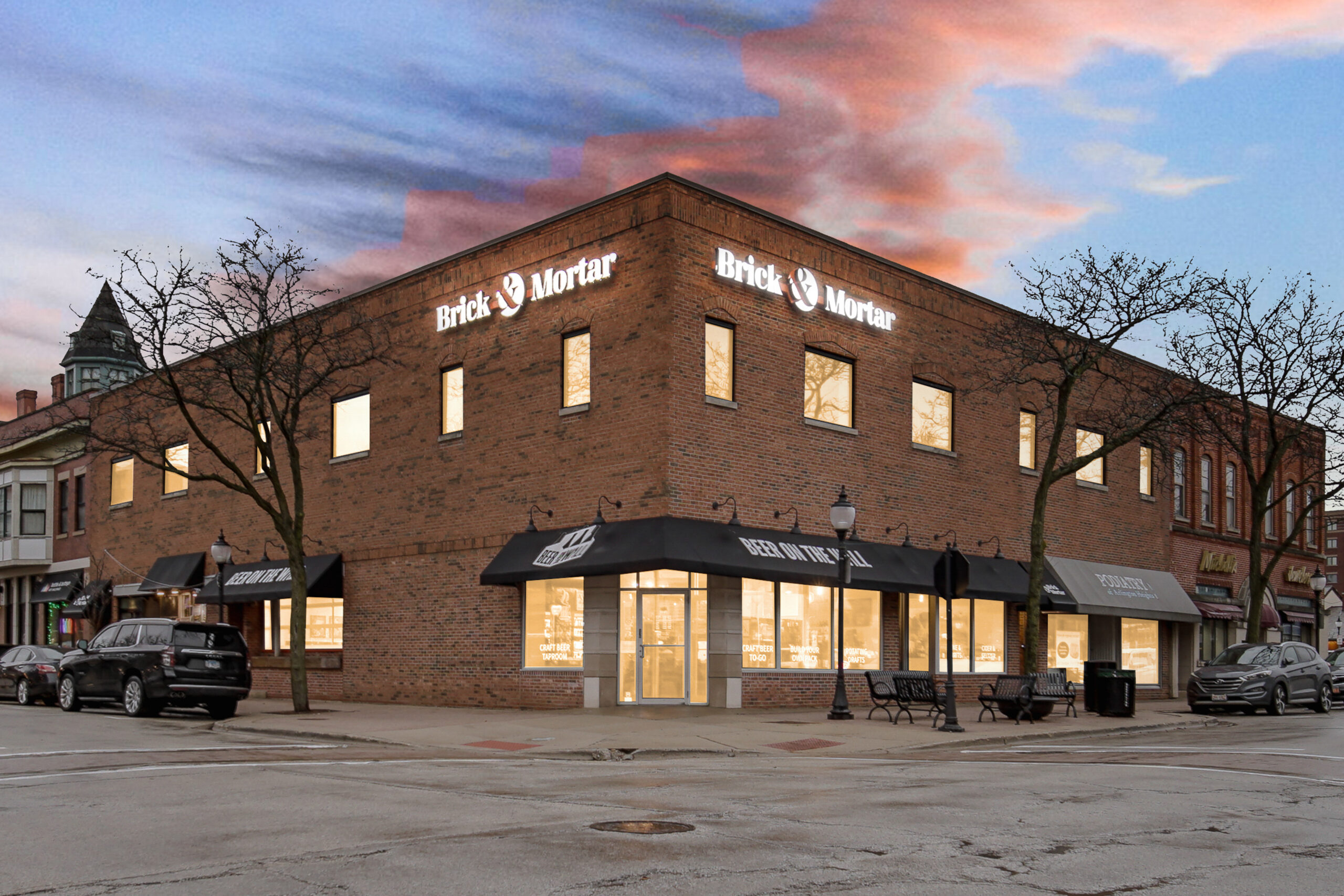
That is exactly what Brick & Mortar Meeting Rooms are designed to provide.
Our meeting spaces include high-speed fiber internet, whiteboards, smart TVs with presentation capabilities, dedicated temperature controls, and private rooms built for focused collaboration.
You bring the people and the decisions that matter.
We’ll make sure the space is ready for the conversation.
Hybrid Companies Still Need Conference Rooms
One of the biggest changes in the modern workplace is that needing a conference room no longer means needing to maintain one every day.
A fully remote company may have no permanent headquarters.
Hybrid teams may have employees spread across several locations. Small businesses can operate successfully without paying for thousands of square feet of office space they rarely use.
That model can work extremely well.
Until eight people need to sit around the same table.
Then the company suddenly has a very traditional problem: Where are we going to meet?
A coffee shop is not a conference room.
Someone’s house is not the right place for every executive conversation.
A restaurant may work for lunch, but it is not ideal for reviewing a spreadsheet, sharing confidential numbers, or spending four hours building next year’s plan.
Maintaining a corporate conference room 365 days a year is not the only alternative.
Brick & Mortar meeting spaces are available à la carte by the hour, giving teams the flexibility to bring everyone together whenever the work calls for it.
That means a hybrid or remote company can stay flexible without improvising the setting every time an important conversation needs to happen in person.
Get Focused Before Everyone Arrives
The meeting itself is only one part of a good planning session.
Someone has to prepare for it.
Financials need reviewing. The presentation needs another pass. Questions need organizing, and sometimes the person leading the conversation needs an uninterrupted hour to think before everyone else walks into the room.
If you need time beforehand to organize your thoughts, grabbing a Day Pass or booking an Hourly Private Office at Brick & Mortar gives you a quiet, professional place to prepare.
Review the financials, make changes to the presentation, answer emails, take preliminary calls, organize your questions, or simply get focused without trying to make a busy house or noisy coffee shop cooperate.
You get dedicated time to prepare without needing to commit to a permanent office.
And when the rest of the team arrives ready to get to work, you can transition into a room built for collaboration and already waiting for the conversation.
Budget Meetings Are Really Priority Meetings
A budget is ultimately a record of decisions.
Where a company puts its money reveals what it plans to prioritize.
Corporate Finance Institute notes that effective budgeting requires companies to connect financial decisions with broader strategic goals rather than simply repeating last year’s numbers.
That is why a budget planning meeting can quickly become a strategy meeting.
A hiring decision affects capacity.
A technology investment changes operations.
Marketing spend connects to growth expectations.
Vendor decisions influence costs and capabilities, while compensation planning affects retention and recruitment.
The spreadsheet matters.
The conversation around it matters more.
Give that conversation enough time, enough privacy, and enough space to get somewhere.
The Same Room Can Carry You Beyond the Budget
Budget season may bring the team together, but the decisions do not stop there.
Fall often includes annual planning sessions, leadership meetings, Q4 strategy conversations, project kickoffs, sales planning, contract discussions, and team offsites.
If you are already bringing decision-makers together, use the time intentionally.
Our article Your Corporate Offsite Has Better Options Than a Hotel Boardroom looks at why changing the environment can help teams step away from daily operations and give larger business questions dedicated attention.
You do not need to turn every meeting into an offsite.
The point is knowing which conversations deserve more than the usual setting.
Budget planning is one of them.
Stop Winging the Important Conversations
High-stakes business conversations already have enough variables.
The budget could change.
Someone may challenge the plan.
A hiring decision could go in a different direction. Leadership might uncover a bigger issue halfway through the conversation.
You cannot control all of that.
You can control the setting.
A budget planning meeting should happen somewhere private enough for the conversation, comfortable enough to stay awhile, and equipped for the work everyone came there to do.
When the room works, the team can focus on the decisions.
That is the part that matters.
Give Important Decisions the Right Room
The conversations happening this fall can shape what your business does next year.
Do not spend them searching for an outlet, apologizing for background noise, trying to hear over the table next to you, or wondering whether someone outside the room can hear what is being discussed.
Bring the work somewhere designed for it.
Need a Room for the Decision-Makers?
Book a Brick & Mortar Meeting Room for your budget planning meeting, annual strategy session, leadership meeting, sales planning, vendor discussion, project kickoff, or team offsite.
Need Somewhere to Prep and Focus?
Book an Hourly Private Office or Day Pass and give yourself a quiet, dedicated place to review financials, prepare the presentation, take confidential calls, organize your thoughts, and get ready before the meeting begins.
Need an Ongoing Professional Home Base?
Explore Brick & Mortar Monthly Memberships and Private Offices for flexible access to professional workspace when your business needs more than a home office but does not need a traditional headquarters for the team at large.
Next year’s decisions are being made now. Give them a room that is ready for the conversation.
Sources
Corporate Finance Institute: The Budgeting Process: Step-by-Step Guide for FP&A Professionals
Explains the role of stakeholder input, strategic alignment, scenario planning, leadership review, and approval in the annual budgeting process.
Read the CFI Budgeting Process Guide
Microsoft WorkLab: How to Get Hybrid Meetings Right
Explores different types of meetings and why synchronous “discuss and decide” conversations often require stakeholders to work through challenges and decisions together.
Read Microsoft’s Hybrid Meetings Guide
Microsoft Research: Hybrid Meetings Guide
Research-based guidance on choosing between in-person, online, and hybrid meeting formats, including situations where in-person brainstorming, debating, relationship-building, and starting new work may be particularly useful.
Read the Microsoft Research Hybrid Meetings Guide