

For the modern professional, the greatest threat to a high-performance career isn’t a lack of talent—it is the erosion of focus. Working near home has shifted from a luxury to a necessity for those struggling with the friction of traditional office life and the chaos of the kitchen-table office. At Brick & Mortar, we believe that the ability to concentrate without distraction is the superpower of the 21st-century economy, and the physical distance between your front door and your desk is the primary factor in protecting that power.
The End of the “Time Tax”
The most immediate impact of shifting your workspace to your own neighborhood is the elimination of the “time tax.” Recent data indicates that the average professional loses hundreds of hours every year to transit—time that is effectively stolen from both their professional output and their personal lives.
When you choose a Brick & Mortar location, you are opting out of the commute culture. Whether you are visiting us in Arlington Heights, Deerfield, Glen Ellyn, Libertyville, or Park Ridge, the transition from “home mode” to “work mode” is measured in minutes, not hours.
- The Reinvestment: Reclaiming just 45 minutes of travel time each way adds nearly 400 hours back to your calendar annually. This isn’t just “free time”; it’s the capacity for deeper sleep, consistent exercise, or the focused work required to hit your next career milestone.
- Reduced Decision Fatigue: Long commutes are a drain on your cognitive reserve. By working near home, you arrive at your desk with your mental energy intact, rather than spent on navigation and traffic.
Your House is Not a High-Performance Office
The “Work From Home” era promised freedom, but for many, it delivered a blur of domestic distractions. When your office is also your kitchen, living room, or bedroom, your brain is constantly forced to switch between professional tasks and household responsibilities. Research on “context switching” shows that even minor interruptions can cost a professional up to 40% of their productive time.
Brick & Mortar provides the physical boundary required for deep work. Moving your professional life into a dedicated neighborhood office creates a psychological “trigger” that tells your brain it is time to perform.
- Done with Distractions: At home, you are a parent, a spouse, or a homeowner with a list of chores. At Brick & Mortar, you are a professional. We provide an environment where barking dogs, laundry cycles, and delivery doorbells no longer dictate your schedule.
- A Standard of Professionalism: While coffee shops offer a change of scenery, they lack the reliability of high-speed internet and the privacy needed for sensitive client calls. Our neighborhood offices offer a curated environment that matches the seriousness of your career.
The Neighborhood Work-Life Ecosystem
One of the most overlooked benefits of working near home is what we call the “Home Court Advantage.” When your office is integrated into your neighborhood, your professional and personal lives stop competing and start collaborating.
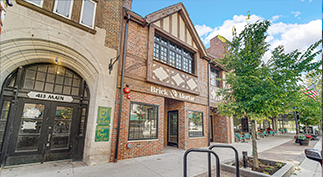
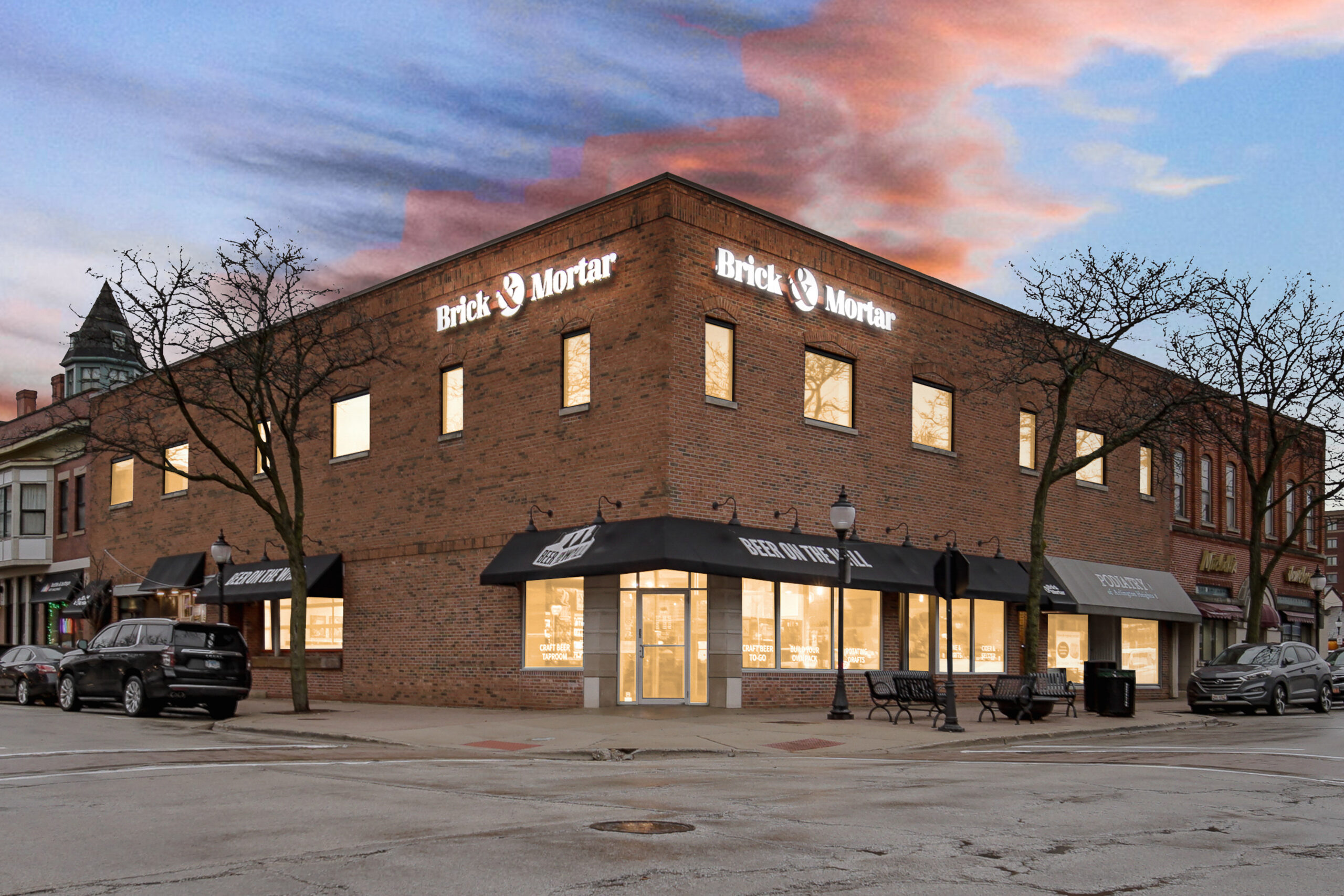
We take pride in being a fixture in the communities we serve. You can find the Brick & Mortar standard of excellence in:
By working in these neighborhoods, you support local commerce and stay connected to your community without the “dead time” of a highway slog. You can host a high-stakes client lunch at a local landmark or attend a school event in the middle of the afternoon, all while staying within minutes of your dedicated workspace.
Seamless Access for Serious Work
Neighborhood offices must be as flexible as the people who use them. This is why Brick & Mortar operates without the gatekeepers or restrictive hours of a traditional high-rise. Our 24/7 seamless entry system means your office is ready whenever your inspiration hits.
By working near home, you gain the autonomy to structure your day around your peak productivity hours. If you need to “win the day” with a 5:00 AM deep-work session or finish a project late at night, your office is just down the street—safe, professional, and ready for output.
Ending Professional Isolation
Remote work often leads to a “vacuum effect” where professional standards can slip due to isolation. Brick & Mortar isn’t just a collection of desks; it’s an ecosystem of high-performers.
By choosing to work in a neighborhood office, you surround yourself with other serious professionals who value discipline. This environment naturally elevates your output, turning your workday from a series of tasks into a sequence of accomplishments. You aren’t just leaving your house; you are joining a community of people who are committed to doing their best work.
Conclusion: Fix Your Workday
Brick & Mortar is the solution to the distracted, low-quality workdays that have become the norm for remote employees. If the friction of your current environment is undermining your focus, it is time to change the geography of your workday.
Stop wasting your life in traffic and stop fighting for focus at your kitchen table. Get out of the house, get out of the coffee shop, and get into a neighborhood office designed for real work.
Ready to reclaim your focus? Fix Your Workday – Schedule a Tour at Brick & Mortar.
Sources & Research Guide
- Commute Times & Urban Trends: U.S. Census Bureau, American Community Survey (ACS) 1-Year Estimates (2024). Note: Chicago, IL remains one of the top 3 longest commutes in the U.S. at 33.5 minutes.
- The Cost of Context Switching: American Psychological Association (APA), Multitasking: Switching Costs. Research confirms that shifting between tasks (or domestic interruptions) can cost 40% of productive time.
- Workflow Recovery: Qatalog & Cornell University, The Cost of Connection. Findings show it takes an average of 9 minutes and 30 seconds to reach “flow state” again after a distraction.
- Mental Strain of Commuting: Psychology Today, “Commuting: The Stress That Doesn’t Pay.” Analyzing the link between long travel times, increased cortisol, and decreased life satisfaction.
- Work-Life Balance: Journal of Political Economy Microeconomics, “Work from Home and Productivity.” Evidence on how blurred boundaries in home offices can lead to longer hours with lower total output.